

Mobile applications have totally changed the lifestyle, way of working and playing. Everything can be managed using an app, such as finances and grocery orders. However, many consumers are unaware of the risks associated with this convenience.
Your device is shielded from harmful software, data breaches, and privacy violations via mobile app defense. Anyone who owns a smartphone should understand how it functions, not just tech specialists. In order to assist you traverse the digital world with confidence and security, this essay simplifies eight essential concepts about mobile app defense.
1. Understanding What Mobile App Defense Really Means

These methods, mechanisms, and processes of protecting apps against misuse and your device against harm are known as mobile app defense. It is a comprehensive plan that maintains a look at the behavior of the apps, authentication, and prevents the unnecessary access to information about you. Think of it as a serious security network that monitors everything on your phone in the apps and analyzes their intentions and actions. This security feature continues to work even when you are not using your device to ensure that the apps act accordingly and do not cross borders or access data that it is not supposed to access. With this understanding, it is easier to comprehend the reasons as to why modern cellphones need more security than a password.
2. The way Malicious Apps Disguise Themselves.
Risky applications rarely reveal what they are meant for. They often masquerade as legitimate programs that seem to be handy at the outset such as games, productivity tools or utilities. The cybercriminals invest so much in presenting these apps as professional, having a well-designed interface and convincing descriptions. There are those which run silently and do evil actions as they run in the background. To achieve downloads they can imitate famous applications with small changes in name or exploit hot topics. Mobile app defense systems scan the code of the application along with its behavior patterns, and compare them with suspicious traffic and patterns of known threats. In the background, such an investigation seeks telltale scripts like unauthorized network connections, hidden data gathering or trying to reach system files that legitimate applications would not necessitate.
3. Permission Requests Tell Important Stories
An app is disclosing its intentions each time it requests authorization. When a flashlight app asks to access your contacts, you should be suspicious right away. Mobile app defense assesses if requests for permissions are reasonable given the declared aim of an application. It maintains a record of the activities of apps with permissions that have been granted to ensure it is not used to spy or gather information. Lots of individuals have gone on and posted their location, cameras, and microphones and personal files with little consideration to the effects of clicking allow and so on. Defense systems warn before they occur by marking unusual or extraneous permission slapstick. Being aware that permissions are the point to your own personal data is what allows you to make informed decisions, and robust defense mechanisms will provide you with an understanding as to how apps are using the access they have been given.
4. Real-Time Monitoring Makes the Difference

Mobile app defense continuously analyzes an application’s activity while it is running, rather than merely scanning it once upon installation. When an app abruptly tries to access financial data or communicates with dubious servers, for example, it is detected by this real-time surveillance. Think how nice it would be to have a security guard on duty 24/7 monitoring your device to ensure no suspicious activity. This continuous vigilance identifies threats which emerge after installation including software contaminated with malicious updates or exploited vulnerabilities. Network traffic is also monitored in order to detect instances in which apps send your data to unapproved locations. This dynamic protection is a live, breathing barrier that responds to new threats as they appear by using global threat intelligence to identify attack patterns before they get to your device.
5. App Reputation Systems Provide Collective Intelligence
Reputation systems are used in mobile app defense to harness the power of community knowledge. Patterns appear fast when millions of devices globally report on app behavior. Before it can hurt millions more, a program that is acting strangely on thousands of devices is identified. By compiling data on app publishers, update history, user complaints, and security incidents, these reputation databases produce thorough risk profiles. Defense systems check these databases before installing anything new, alerting you if an app has a history of dangerous activity or dubious origins. You can take advantage of other users’ experiences without having to learn difficult lessons yourself thanks to this collective intelligence technique.
6. Update Management Protects Against Vulnerabilities
Cybercriminals are always finding and taking advantage of application weaknesses. Updates are released by developers to fix these security flaws, however many users ignore or put off these important updates. Instead of updating the system to address a major security issue, mobile app defense systems are more interested in updates to their system that correct a known and serious security issue by tracking which apps are at risk of known and active exploits. To ensure that what appears to be a legitimate patch is not malware disguised as an update, they do not trust updates and scroll through them themselves. By keeping update processes from turning into attack vectors, this two-way protection guarantees that your apps stay up to date against changing threats. In order to minimize your exposure window when serious vulnerabilities are found and fixed, some defensive systems can even temporarily prevent vulnerable apps from accessing sensitive data until they are updated.
Conclusion
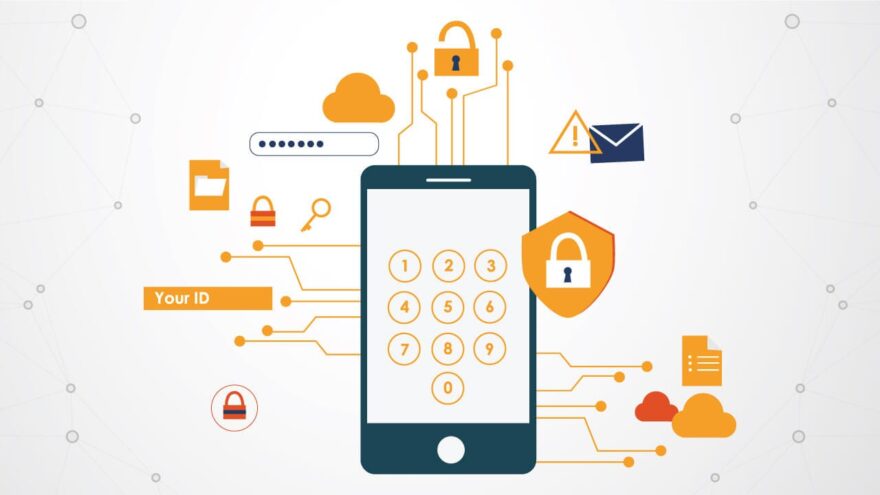
The mobile application security is your invisible guardian in a more complex digital world. These points illustrate how the various doverunner techniques of layered protection can be combined to ensure that they offer end-to-end security that addresses new forms of threats. To exploit these protections, you do not need to become a guru in cybersecurity, understanding the basics will give you a higher chance of making more informed decisions regarding what applications to trust and what permissions to grant.