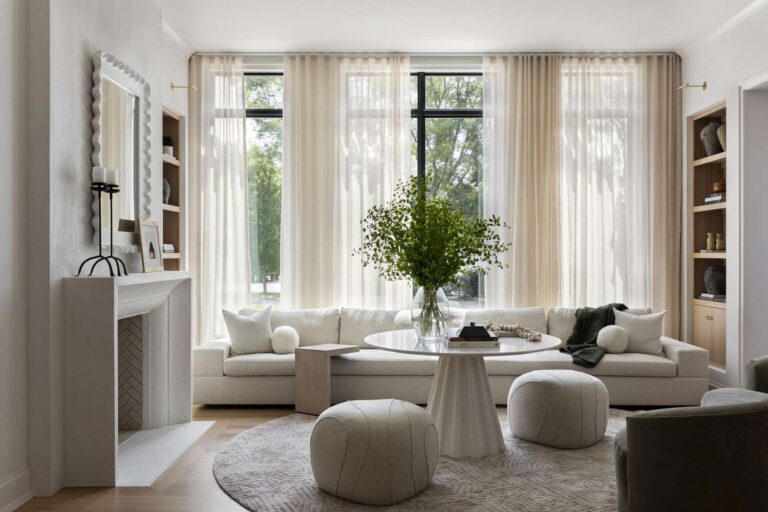
Planning interior details is not about adding more elements. It is about making decisions that support how you live and repeating them consistently. When that happens, the space feels calm and clear without trying to impress.
A useful reference for this approach is Ilse Crawford. Her work is grounded in the idea that design should start with people and their daily experience, not with appearance.
This article breaks down how to plan interior details in a way that feels practical, intentional, and long-lasting.
Start With How You Actually Use the Space
Before choosing materials or finishes, take time to observe how you use each room. This step is often ignored, but it shapes every decision that follows.
Look at real behavior:
- Where you leave everyday items
- Which areas feel comfortable to use
- Which parts of the room stay unused
Human-centered design focuses on understanding real use before creating solutions.
A space works well when it supports what you already do, not when it forces new habits.
Write down small patterns. If you always place your bag on a chair, that tells you something about storage placement. These observations help you design details that feel natural instead of imposed.
Plan Core Architectural Details Early
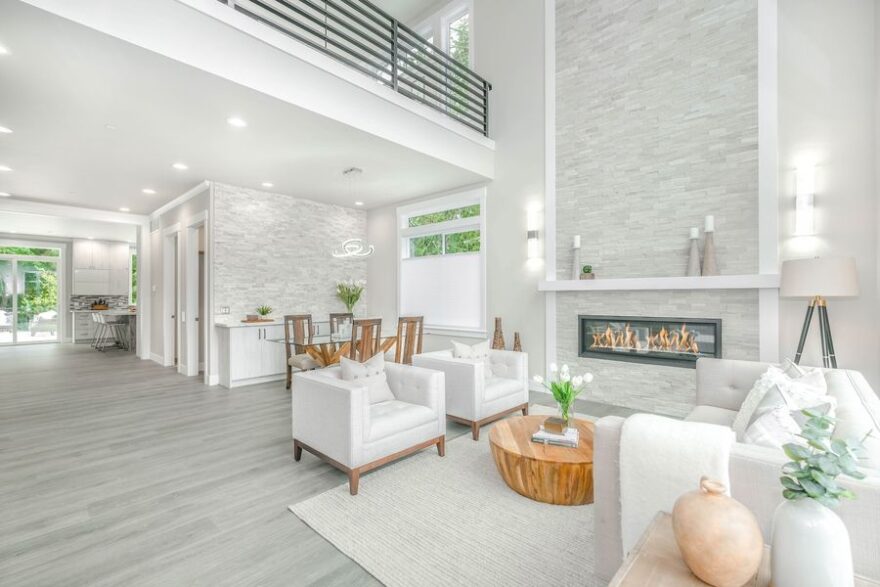
Details like doors, trim, and transitions define how the home feels as a whole. They should be planned early, not added later.
If you are working on a custom interior, doors play a major role in structure and proportion. Instead of treating them as separate elements, they should align with the overall layout.
Bespoke doors are made specifically to order, built from scratch to match exact dimensions, materials, and design preferences rather than relying on standard, mass-produced formats.
They are used where precision matters, whether that is fitting unusual openings or aligning with a specific architectural direction, with full control over finishes, construction, and hardware.
Focus on a few key decisions:
- Keep door heights consistent
- Align trim proportions across spaces
- Use one hardware style throughout
When these elements match, the home feels connected. When they vary without reason, it feels disjointed.
Choose Materials That Work Together
Material selection should be simple and consistent. Too many finishes create visual noise and make a space harder to understand.
A clear approach looks like this:
|
Element |
Recommended Approach |
Reason |
| Flooring | One main material | Keeps visual flow intact |
| Hardware | Single finish | Avoids unnecessary contrast |
| Walls | Neutral, durable surfaces | Supports long-term use |
Materials should relate to each other. If you use warm wood flooring, avoid mixing it with cold metallic finishes unless there is a clear reason.
After selecting materials, imagine using them daily. Design should support comfort and function, not just appearance.
Plan Lighting Based on Activity
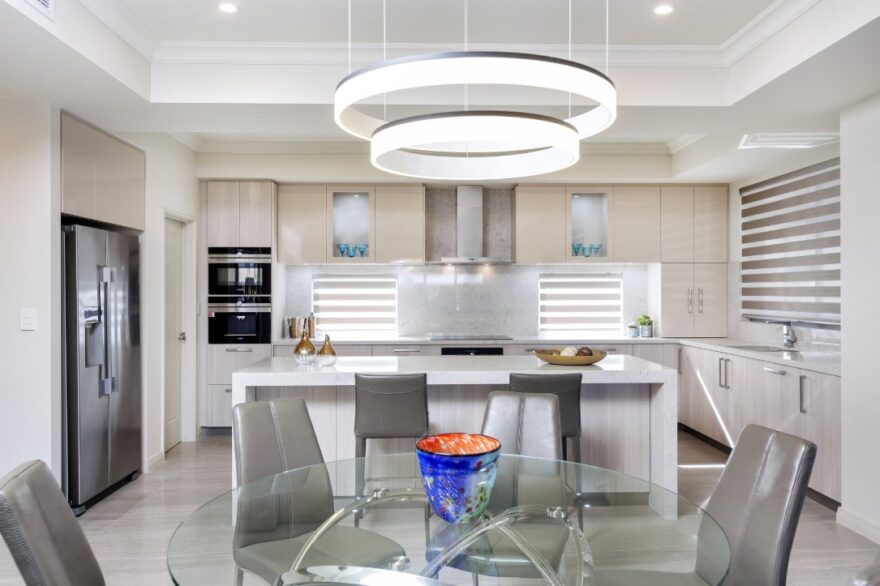
Lighting should follow how you use the space, not how it looks on a plan.
Think in layers:
- General lighting for visibility
- Task lighting for specific activities
- Low lighting for evening use
Most homes rely too much on ceiling lights. This creates flat lighting and limits flexibility.
Lighting should support tasks first, and atmosphere second.
For example, place focused lighting near seating areas or work surfaces. Add dimmers so the same room can adapt throughout the day.
Interior environments influence behavior and comfort, so lighting decisions should support how people feel and function in the space.
Reduce Visual Noise Through Consistency
Elegance often comes from limiting variation. When too many elements compete, the space feels unsettled.
Common issues include:
- Mixing several wood tones
- Using different handle styles in each room
- Changing lighting styles without purpose
Instead, choose a limited set of elements and repeat them.
A practical approach:
- One or two wood tones across the home
- One handle design used everywhere
- A small set of lighting types
This makes the space easier to read. When the eye understands the environment quickly, it feels more comfortable.
Treat Storage as a Core Design Element
Storage is often treated as a secondary concern, but it directly affects how a home looks and functions over time.
If storage is not planned properly, items will end up on visible surfaces.
Focus on practical placement:
- Store items close to where they are used
- Avoid deep cabinets that hide contents
- Keep everyday storage accessible
Human-centered interiors emphasize usability and accessibility because they improve daily life.
If something is hard to access, it will not be used consistently.
Plan storage early so it becomes part of the structure, not an afterthought.
Pay Attention to Proportion and Alignment
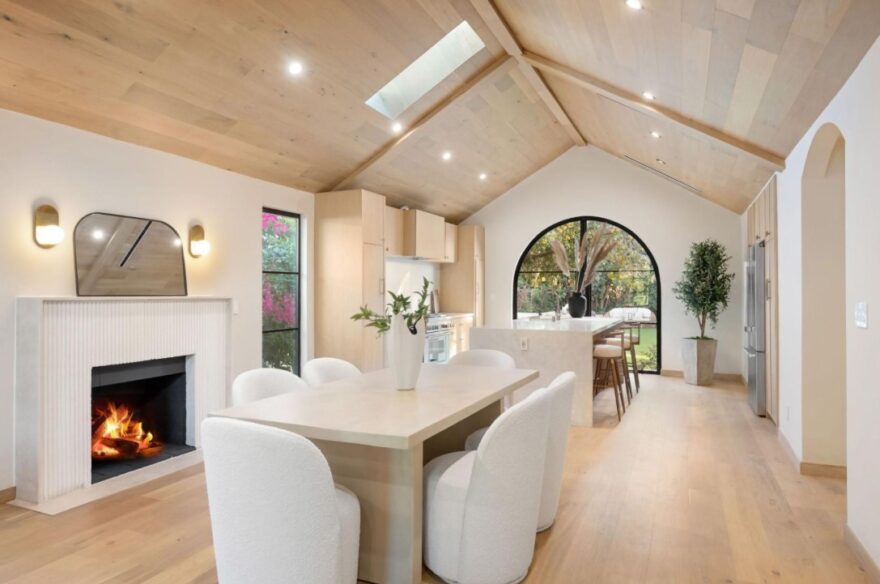
Small details like alignment and spacing have a strong impact on how finished a space feels.
Check these elements carefully:
- Consistent height for switches and handles
- Even spacing between furniture and walls
- Balanced margins around doors and windows
Even minor inconsistencies can become noticeable over time.
Design that focuses on human experience often relies on these precise adjustments because they improve usability and clarity.
Taking time to measure properly is one of the simplest ways to improve the final result.
Focus on Longevity Instead of Trends
Trends change quickly. Interior details should last longer than short-term preferences.
Design that prioritizes durability and consistency tends to age better. Some designers actively work against disposable design culture by focusing on long-term use and stability.
This means:
- Choosing materials that wear well
- Avoiding unnecessary decorative features
- Keeping layouts practical and adaptable
A space that works well over time will always feel more refined than one designed around temporary ideas.
Conclusion
Planning interior details is about making fewer decisions, but making them carefully and applying them consistently.
Start with how you live. Then align materials, lighting, and storage to support that reality. Reduce unnecessary variation and focus on proportion.
This approach works because it is based on real use, not trends. It creates spaces that are easier to live in and easier to maintain. Over time, that consistency is what makes a home feel truly elegant.