Singapore is often ranked among the top cities globally for livability, but here is the part many guides skip: where you live inside the city can change your daily life more than the country itself. Two MRT stops can mean a 25 minute difference in commute.
One neighborhood can feel quiet and community driven, while another stays awake well past midnight. If you are planning a move, an upgrade, or an investment in 2026, the real question is not whether Singapore is a good place to live. It is which neighborhood fits how you actually live, work, and move through the city.
This guide looks at the best neighborhoods in Singapore for 2026 with clear pros, honest cons, and realistic commute times. No hype, no vague claims, just practical insight you can use.
Understanding How Neighborhood Choice Shapes Daily Life in Singapore
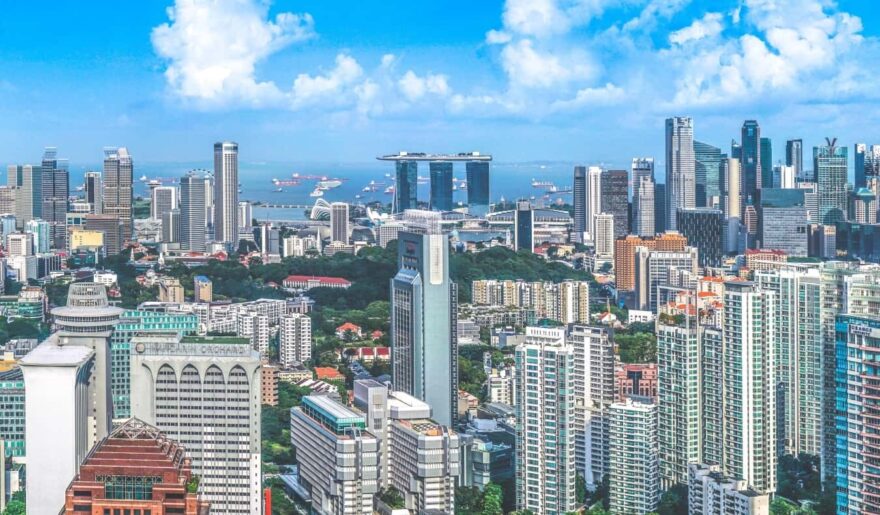
Before zooming into individual areas, it helps to understand how Singapore is structured. The city is compact, but lifestyle differences between districts are real. Central areas prioritize convenience and access. Heartland neighborhoods lean into community and space. Waterfront zones combine lifestyle appeal with price premiums.
Commute time matters more than distance here. A five kilometer trip can take 12 minutes or 40 depending on MRT lines, transfers, and bus connectivity. Schools, hawker centers, green spaces, and even noise levels shift dramatically by area.
When comparing the best neighborhoods in Singapore in 2026, keep three factors in mind:
- Proximity to MRT interchanges and expressways
- Access to daily essentials within walking distance
- Long term livability, not just resale value
These basics will help you interpret the pros and cons in each neighborhood that follows.
Orchard And River Valley For Central Living And Walkability
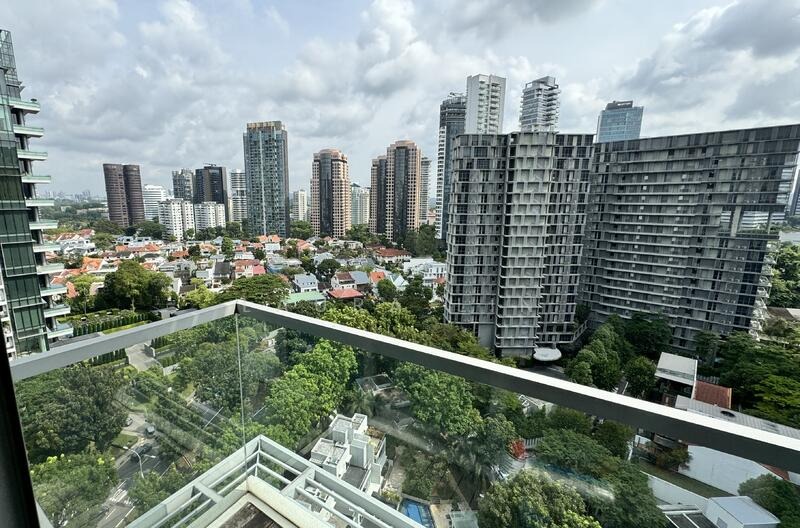
Living near Orchard Road still means living at the core of the city, but the experience in 2026 feels more residential than it once did. River Valley and the quieter Orchard pockets have shifted away from pure retail energy toward upscale, walkable living.
You are close to offices, dining, and healthcare, which makes this area attractive for professionals who value time over space. Commute times to the CBD average 10 to 15 minutes by MRT or car, often shorter outside peak hours.
Key advantages include:
- Immediate access to multiple MRT lines
- Strong rental demand and liquidity
- Excellent healthcare and dining density
The tradeoffs are real though. Prices remain high, units are typically smaller, and traffic noise can be part of daily life. Orchard suits residents who want centrality and convenience, not those seeking quiet or large family layouts.
Marina And Bayshore Areas For Waterfront And Urban Access
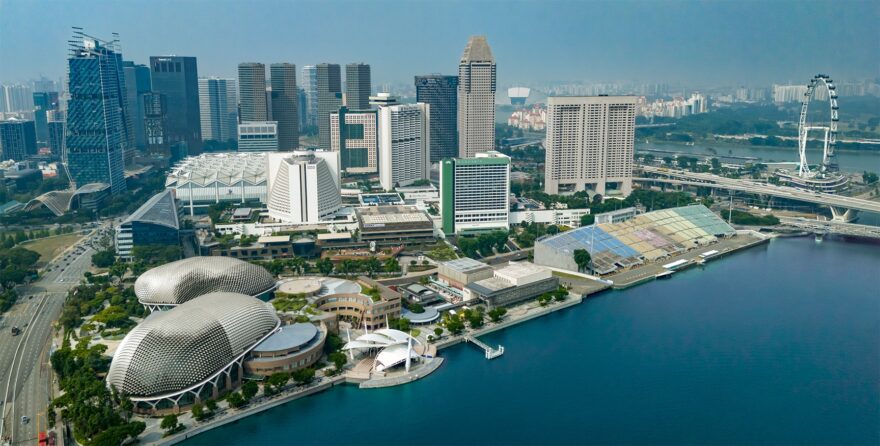
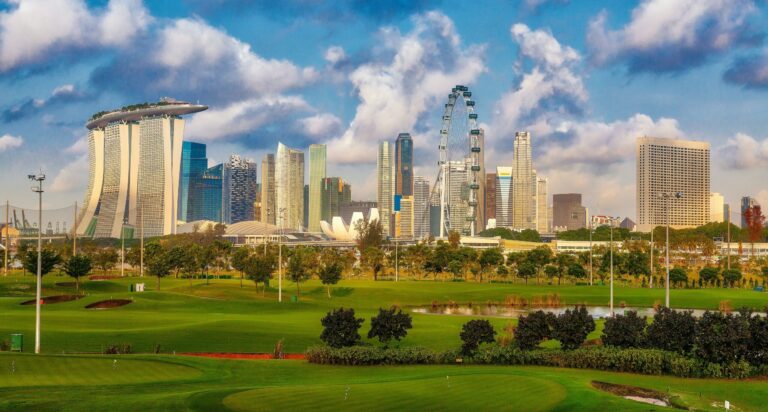
Waterfront living has gained renewed attention, especially among buyers balancing lifestyle and long term value. Developments near the bay, such as Vela Bay, offer a different rhythm from Orchard, with open views, promenades, and more controlled density.
Located near the Bayshore corridor, the area blends residential calm with fast access to the city. Daily routines benefit from nearby transit, walkable amenities, and recreational space without feeling cut off from downtown activity.
Commute times from this zone typically fall in the 12 to 18 minute range to the CBD, depending on transit choices. The main appeal lies in balance: scenic surroundings with urban connectivity.
Consider this area if you value:
- Waterfront views and outdoor access
- Predictable transit times to downtown
- Long term appeal for both living and resale
The main downside remains pricing, especially for larger units, but demand has stayed resilient.
Tiong Bahru For Character, Food, And Central Convenience
Tiong Bahru continues to stand out as one of Singapore’s most distinctive neighborhoods. It mixes heritage architecture with modern cafes, local markets, and strong MRT connectivity.
This area attracts residents who want personality without sacrificing location. The commute to the CBD is usually under 15 minutes by train, and many workplaces are reachable by bike or short bus rides.
Why people choose Tiong Bahru:
- Walkable streets with real neighborhood identity
- Excellent local food options, both traditional and modern
- Central location without full CBD intensity
However, inventory is limited. Units sell quickly, parking can be tight, and families may find fewer large layouts. Tiong Bahru works best for singles, couples, and downsizers who value atmosphere over size.
Did you know? Tiong Bahru was one of Singapore’s first planned public housing estates, designed in the 1930s, which explains its unique layout and enduring charm.
Bishan For Families And MRT Connectivity
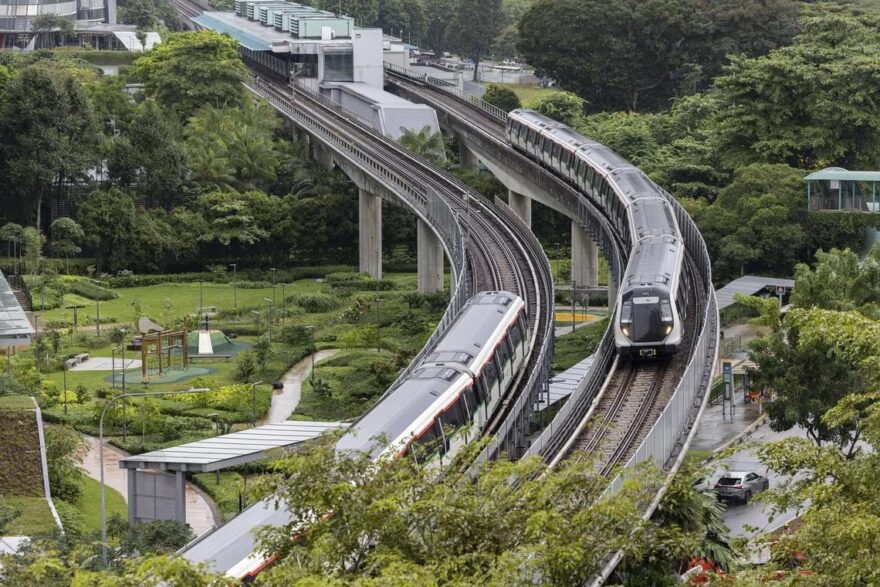
Bishan consistently ranks high among family friendly neighborhoods, and 2026 is no exception. Its biggest strength is connectivity. Bishan MRT is an interchange linking major lines, which dramatically reduces commute stress.
Families appreciate the balance between green spaces, reputable schools, and reliable transport. Commute times to the CBD average 18 to 25 minutes, depending on transfers.
Notable advantages include:
- Interchange MRT station with strong coverage
- Large parks and sports facilities
- Established schools and community services
- Stable resale demand
On the downside, prices have risen steadily, and newer developments are limited. Bishan is not trendy or flashy, but it is practical, efficient, and easy to live in long term.
Tampines For Space, Value, And Eastern Access
Tampines represents the mature heartland experience done well. It offers larger unit sizes, extensive malls, and one of the most complete town infrastructures in Singapore.
Commutes from Tampines to the CBD take about 30 to 40 minutes by MRT, shorter by car during off peak hours. While that is longer than central areas, many residents work in the east or value the tradeoff for space and affordability.
Reasons Tampines remains popular:
- Multiple MRT stations and bus hubs
- Large malls and daily necessities nearby
- Better value per square foot compared to central zones
The main compromise is distance. For CBD based professionals, the commute can feel long. Tampines suits families, long term residents, and buyers prioritizing livability over prestige.
East Coast And Katong For Lifestyle And Community Feel
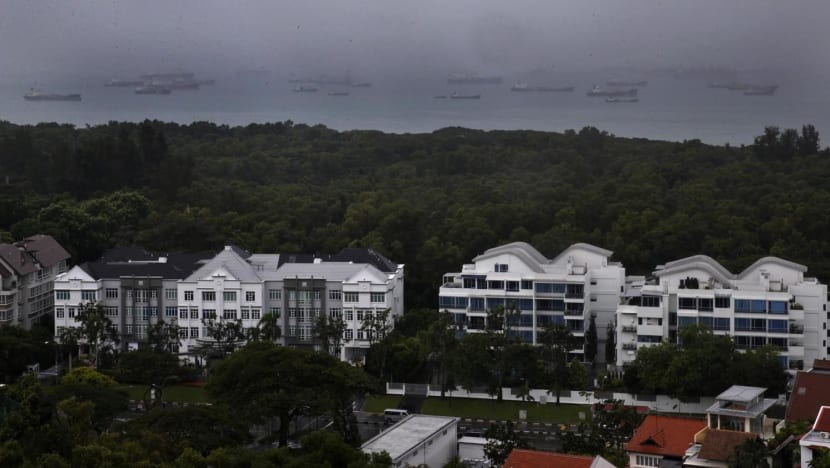
East Coast and Katong combine coastal living with a strong cultural identity. Cafes, schools, beaches, and low rise streets define the area more than high density towers.
Commute times to central business districts range from 20 to 30 minutes, depending on MRT access and traffic. The upcoming transport improvements continue to strengthen this area’s appeal.
Pros worth noting:
- Access to East Coast Park and outdoor activities
- Strong dining culture and local character
- Balanced pace of life
Cons include limited new supply and higher prices near the coast. Parking and peak hour traffic can also be challenging. East Coast living fits those who value lifestyle and community over sheer convenience.
Comparing Commute Times Across Key Neighborhoods
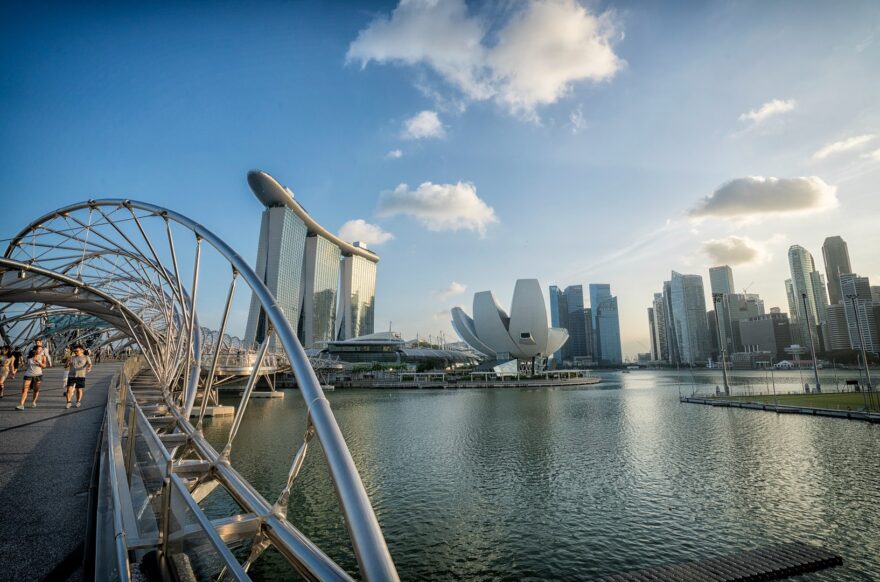
Commute time often determines long term satisfaction more than unit features. Here is a simplified comparison to help frame expectations.
| Neighborhood | Typical CBD Commute | MRT Access | Lifestyle Focus |
| Orchard / River Valley | 10 to 15 minutes | Excellent | Central, walkable |
| Bayshore / Marina | 12 to 18 minutes | Strong | Waterfront, modern |
| Tiong Bahru | 12 to 15 minutes | Strong | Character, food |
| Bishan | 18 to 25 minutes | Interchange | Family, connectivity |
| Tampines | 30 to 40 minutes | Multiple lines | Space, value |
| East Coast / Katong | 20 to 30 minutes | Improving | Lifestyle, community |
These ranges assume normal peak conditions and highlight why neighborhood choice matters.
Choosing The Right Neighborhood For Your 2026 Priorities
There is no universal best neighborhood in Singapore for 2026, only the best fit for how you live. Central areas reward time savings. Heartlands reward space and stability. Waterfront zones reward balance and long term appeal.
Also read: Things You Can Try During Singapore Tour
Before deciding, ask yourself:
- How many days per week do you commute, and when
- Whether you value space or proximity more
- If lifestyle amenities matter more than resale flexibility
Singapore’s strength lies in offering distinct neighborhoods within a compact city. When you choose with intention, the city works with you rather than against you. The right neighborhood turns daily routines into something sustainable, not just impressive on paper.