
Did you know that roulette wheels spin at slightly different speeds depending on temperature, humidity, and wear, yet the house edge never changes?
That little paradox is part of what keeps roulette fascinating decades after it first appeared in casinos.
The game looks simple, almost hypnotic, but underneath the spinning wheel sits a tight mathematical structure that rewards understanding far more than impulse.
If you have ever watched a table and wondered why some players stick to outside bets while others chase single numbers, this guide is for you.
The aim here is not to sell you a fantasy of guaranteed wins, but to help you understand how roulette actually works in 2026.
Bets, odds, table layout, and strategy all fit together, and once you see how, the game becomes calmer, clearer, and much more enjoyable to play.
How Roulette Works at Its Core
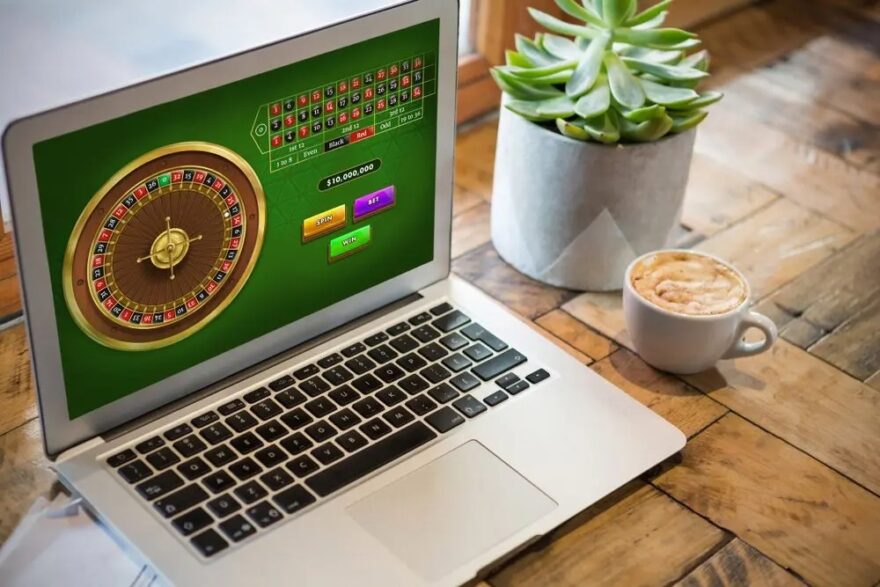
Roulette is built around a rotating wheel, a fixed layout, and a set of betting rules that never change mid-game.
The wheel contains numbered pockets, and a small ball is spun in the opposite direction until it settles into one of them. The number and color it lands on determine which bets win.
At its heart, roulette is a game of probabilities rather than patterns. Each spin is independent, meaning the wheel has no memory of past results.
This matters because many common mistakes come from assuming streaks have meaning.
Key structural elements of every roulette game include:
- A fixed number of pockets on the wheel, each with equal probability.
- A betting layout that groups numbers into logical categories.
- Payouts that are designed to return less than true odds over time.
Understanding these basics helps strip away myths and keeps expectations realistic as you move into more detailed betting choices.
European vs American Roulette Wheels
Before talking about bets, it is crucial to know which wheel you are playing. The difference between European and American roulette looks small, but mathematically it is massive.
European roulette has 37 pockets, numbered 0 to 36. American roulette adds a double zero, bringing the total to 38.
That extra pocket increases the house edge significantly.
European roulette carries a house edge of about 2.7 percent, while American roulette jumps to roughly 5.26 percent. Over time, that difference adds up.
Here is a quick comparison for clarity:
| Wheel Type | Total Pockets | Zero Slots | House Edge |
| European | 37 | Single 0 | ~2.7% |
| American | 38 | 0 and 00 | ~5.26% |
If you have a choice, European roulette is almost always the smarter option, especially for longer sessions.
Choosing Where to Play in 2026
In 2026, many players split their time between physical casinos and online platforms.
Online roulette has matured significantly, offering stable software, live dealer tables, and betting limits that suit both casual players and high rollers.
When selecting an online platform, experienced players look beyond flashy graphics.
They pay attention to game variety, transparency, and bonus structures that actually fit roulette play. This is where platforms like tkp188 often come into conversation, as it offers a broad range of games alongside promotional features such as a 100 percent bonus for new members.
For players who want flexibility and access to different roulette variants in one place, that combination can matter.
The key is not the bonus itself, but whether the platform allows European roulette, reasonable table limits, and clear rules.
Those factors shape your experience far more than surface level promotions.
The Roulette Table Layout
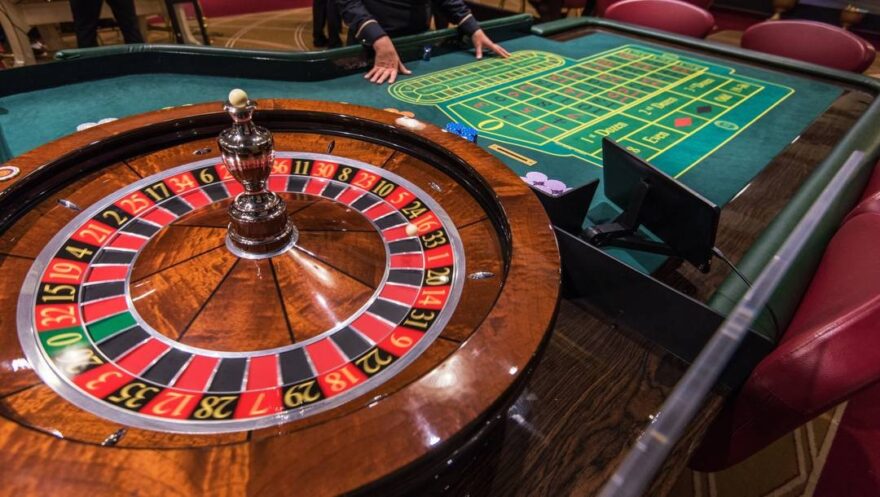
At first glance, the roulette table layout can look intimidating. In reality, it is a visual map of probabilities.
Every section groups numbers in a way that reflects how often they can hit and how much they pay.
The table is divided into two main areas. Inside bets sit on the numbered grid itself.
Outside bets are placed on larger fields surrounding the numbers. Each area serves a different purpose.
The layout helps players:
- Place precise bets on single numbers or small groups.
- Make broader bets covering large portions of the wheel.
- Balance risk and reward visually without calculations.
Once you see the table as a probability chart rather than a decoration, it becomes much easier to decide where your chips belong.
Inside Bets Explained Clearly
Inside bets are placed directly on the numbered section of the table. They offer the highest payouts but come with lower chances of winning.
These bets appeal to players who enjoy volatility and sharper swings.
Common inside bets include:
- Straight up bets on a single number.
- Split bets covering two adjacent numbers.
- Street bets covering a full row of three numbers.
The appeal is obvious. A straight up bet typically pays 35 to 1. However, the probability of hitting a single number on a European wheel is only 1 in 37.
Inside bets work best when used sparingly or as part of a mixed approach rather than as a constant strategy.
Outside Bets and Why Many Players Prefer Them
Outside bets sit on the outer sections of the table and cover large groups of numbers. They offer lower payouts but significantly higher chances of winning.
For many players, this creates a smoother and more controlled playing experience.
Popular outside bets include:
- Red or black.
- Odd or even.
- High or low numbers.
- Dozens and columns.
These bets often pay even money or 2 to 1, depending on coverage. While they do not change the house edge, they reduce variance, which helps bankrolls last longer.
Outside bets are especially popular with beginners or players who want longer sessions without dramatic swings.
Odds, Payouts, and the House Edge

Roulette payouts are fixed, and understanding them helps clarify why the house always has an advantage. The payouts are slightly lower than true odds, which creates the house edge.
For example, a straight up bet pays 35 to 1, but the true odds are 36 to 1 on a European wheel. That missing unit is the casino’s edge.
Did you know?
The house edge in roulette is not affected by betting patterns, systems, or past outcomes. It is mathematically locked into the wheel and payout structure.
Knowing this prevents frustration and keeps roulette in its proper place as a game of chance, not prediction.
Common Roulette Strategies and Their Limits
Many roulette systems have survived for decades, largely because they feel logical.
The Martingale, Fibonacci, and D’Alembert systems all focus on bet sizing rather than prediction.
These systems can provide structure, but they do not change expected outcomes. Their real function is psychological.
They help players stay disciplined and avoid random betting.
Important limitations to remember:
- No system removes the house edge.
- Long losing streaks can still happen.
- Table limits can break progression systems.
Used responsibly, strategies can add order. Used blindly, they create false confidence.
Bankroll Management for Sustainable Play
One of the most overlooked aspects of roulette is bankroll management.
Players often focus on bets but ignore session planning. In reality, how much you stake and how long you play matters more than which numbers you choose.
A practical approach includes:
- Setting a fixed session budget before playing.
- Choosing bet sizes that allow at least 100 spins.
- Walking away after reaching a predefined win or loss point.
This structure reduces emotional decisions and keeps roulette enjoyable rather than stressful.
The goal is sustainability, not chasing losses.
Final Thoughts
Roulette remains popular because it balances simplicity with depth. You can play casually without memorizing rules, yet there is enough structure to reward thoughtful choices.
Understanding bets, odds, and table layout does not guarantee wins, but it does guarantee clarity.
When you approach roulette with realistic expectations, solid bankroll management, and an understanding of probabilities, the game becomes less chaotic and more controlled.
In 2026, with access to both physical casinos and refined online platforms, players have more choice than ever.
Use that choice wisely, stay disciplined, and let roulette be what it has always been at its best: a game of chance enjoyed with awareness rather than illusion.