
A big game library can feel like a promise: dozens of worlds to explore, all waiting for the right weekend. But a backlog assembled during sales can turn into a second bill, especially when buying feels easier than finding time to play. The goal is not to own the most games for the least money. It is to keep a shortlist of games you genuinely want, spend only what you have set aside, and give yourself enough time to enjoy what you already bought.
That means treating your backlog as a queue, not a collection contest. A sale is an opportunity only when a game is right for you, affordable now, and likely to reach the top of that queue.
Set the gaming limit before the next sale

Choose a monthly amount that fits your real finances. Pay essentials and planned savings first; games come from the money left for discretionary spending. The Consumer Financial Protection Bureau’s spending tracker recommends recording a full month of spending to see where money goes. That can expose the small purchases, add-ons, and subscriptions that compete with game spending.
Keep the gaming allowance in its own mental or actual bucket. If your limit is $30 this month, that is the limit whether a game is 20% off or 80% off. Unspent money can roll over, so a bigger purchase later is possible without borrowing from next month. If a title costs more than the balance, it waits.
Use a number that feels sustainable, not aspirational. If you need the money for rent, bills, debt payments, or an emergency, the answer is not to squeeze those obligations for one more game. A backlog is entertainment; it should never become a financial obligation.
Make the wishlist earn its place
A wishlist is not a shopping list. It is a place to park interest without spending. Add a game only if you can name what appeals to you: a specific mechanic, a story, a genre you know you enjoy, or a friend you plan to play with. “It’s cheap” is not a reason to keep it.
Then sort the list into three simple groups: play next, interested but unsure, and someday. Keep the “play next” group short enough that you can picture starting each game within the next few months. Everything else can stay wishlisted without becoming a purchase target.
Before buying, check your current queue. If you already own a similar game you have not started, ask what makes this one different. Maybe it fills a real gap; perhaps it is just competing for the same limited evenings. I would rather buy one game I am eager to launch tonight than five titles I vaguely intend to try.
Price the hours you’ll actually play
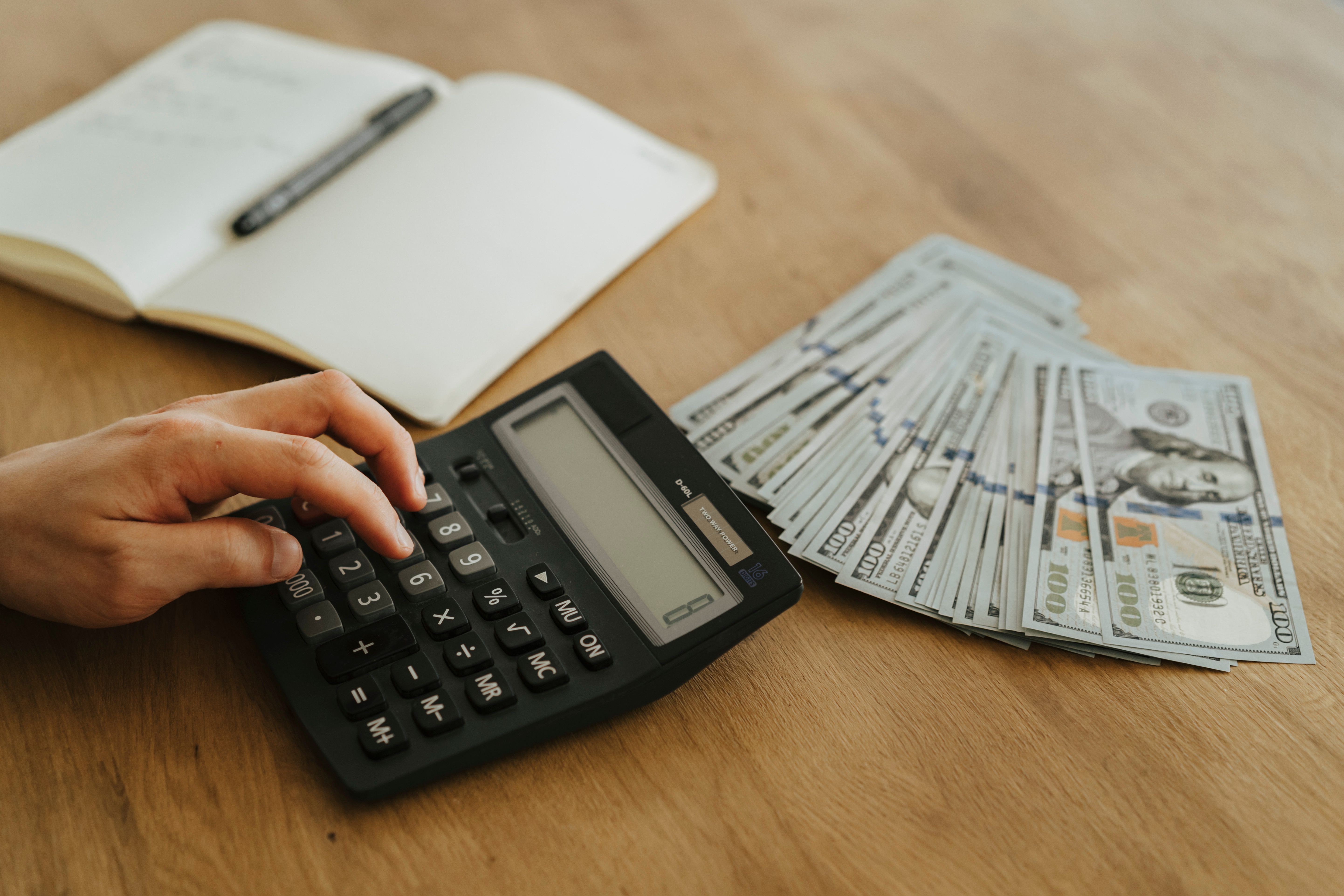
A discount percentage tells you how far a store has reduced its price, not how much value you will get. Estimate how much you expect to play, then consider the cost against that use. A $20 game you finish and love may be a better purchase than a $5 game you never install. This is not a demand that every game justify itself by hours; it is a check against buying on price alone.
For example, suppose you have $25 left in your monthly gaming budget. You could spend it on one game you have been excited about for weeks, or several discounted games that are merely “good deals.” If the larger title is the one you will actually start, choose it and leave the rest. If you are genuinely undecided, wait a day or two. A deal that disappears is not a saving if it causes you to spend money you did not plan to spend.
Try a one-in, one-out rule for the active queue: do not buy another game until you have finished, abandoned, or intentionally paused one already waiting. This is not about completing every game. It is about noticing when purchases are outrunning your available playtime.
Use discounts carefully, not automatically
Track prices for games already on your shortlist and set a maximum you are willing to pay. Compare the final checkout total, including tax and any required add-ons, rather than the headline sale price. Bundles deserve extra skepticism: count only the games you would have chosen individually. A bundle is not a bargain if most of it becomes clutter.
Third-party offers can be another way to compare prices. If you search for cheap game keys, first check that the key matches your region and platform, and understand that retailer support and refund terms differ. Valve says its Steam refund policy does not cover purchases made outside Steam, including third-party CD keys. For purchases made directly on Steam, its standard game policy generally requires a request within 14 days and under two hours of playtime; check the current rules and exceptions before relying on a refund.
Subscriptions also need a line in the budget. Count the recurring fee as spending even if a monthly library makes each individual game seem “included.” Set a reminder before renewal, and cancel when you are not using the service. Access to a rotating library can be useful, but it does not automatically make your backlog smaller.
Make the backlog serve your taste
Spend some of your list-making time exploring games rather than deals. Smaller releases can offer an experience that big-budget games do not; Star2’s overview of indie games and their creative range is one place to discover different kinds of titles. Add only what catches your interest, then let it sit on the wishlist until it fits both your budget and your next-up queue.
At the end of each month, note what you bought, what you played, and what you are glad you waited on. Do not turn that into a scorecard. The point is to learn your own pattern: perhaps you finish short narrative games but rarely start sprawling role-playing games, or maybe playing with friends is what gets you to launch a title. Let that information shape your next month’s shortlist.
A healthy backlog is not a measure of how much you own. It is a few appealing options, bought with money you could comfortably spend and at a pace that leaves room to play them. When the budget is used, close the store. There will always be another sale; your evenings and your money both have limits.