Sorting out scrap metal can be surprisingly confusing. A rusty bracket, a shiny pipe fitting and a steel food tin may all look like obvious metal, but what they are made from affects how they behave, how you identify them and where they should go when you no longer need them. The useful distinction is simple: ferrous metals contain iron; non-ferrous metals do not.
That definition is more reliable than colour or a quick glance. For homeowners, it helps explain why a magnet often works, why some metal rusts and why plumbing copper should not be lumped in with old steel shelving.
Ferrous means iron-containing
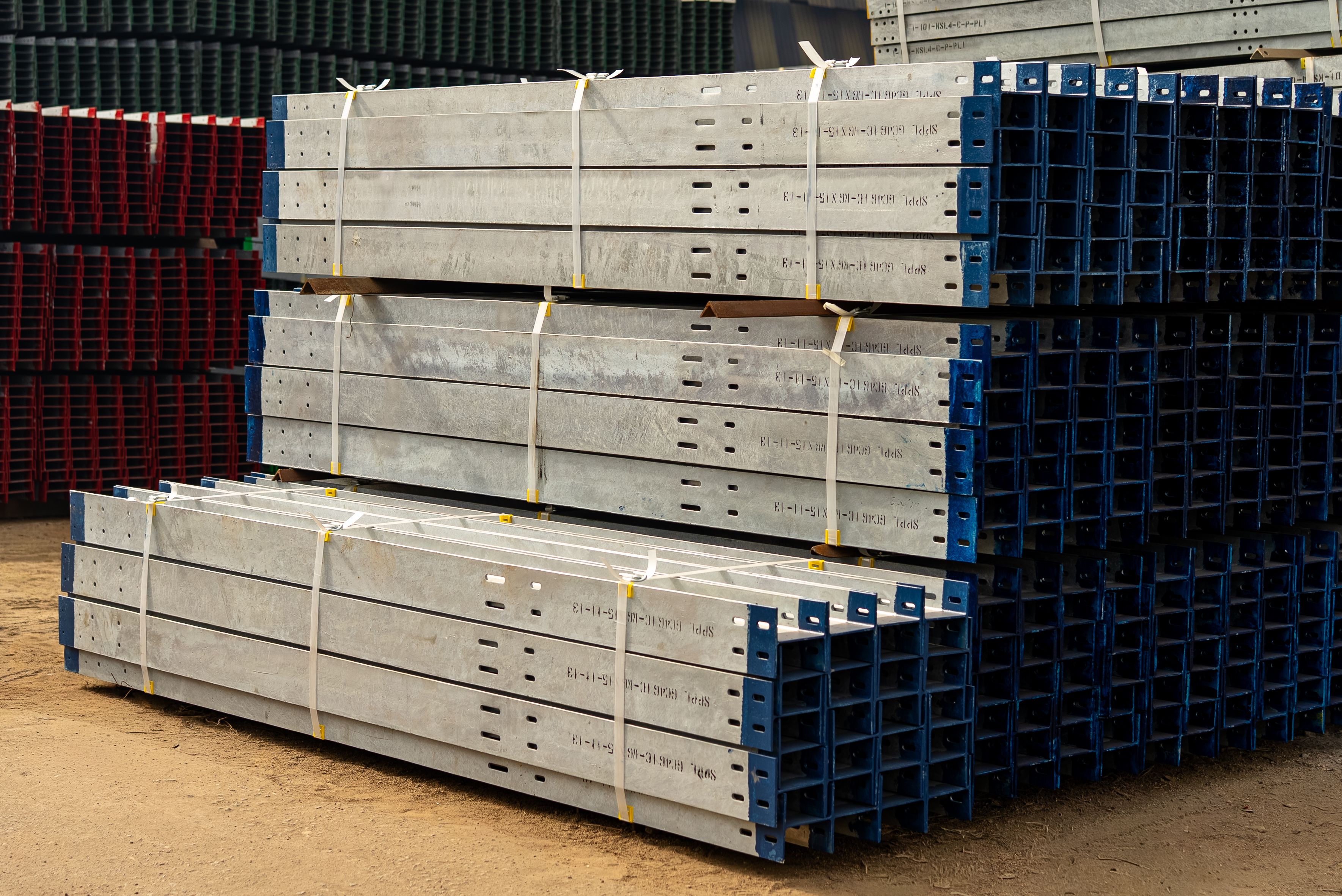
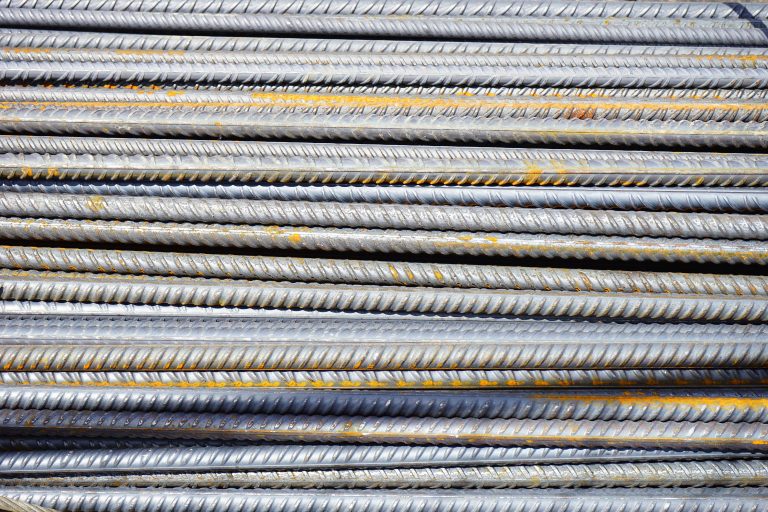
Steel, cast iron and wrought iron are common ferrous metals around a home. You may find them in tools, nails, radiators, fences, pipes, appliances, structural supports and outdoor furniture. Steel is an iron-based alloy, usually combined with carbon and sometimes other elements to give it particular properties.
Ferrous metals are widely used because many are strong and durable. Their main household drawback is that ordinary iron and steel can rust when moisture and oxygen reach the metal. Paint, galvanising and other coatings slow that process, but damage to the protective surface can expose the steel underneath.
The TWI guide to ferrous and non-ferrous metals makes an important qualification: stainless steel is still ferrous because it contains iron, even though chromium helps it resist rust. The category tells you about composition, not a complete performance rating.
A magnet is a useful clue, not a verdict
Try a household magnet on a clean, accessible part of the object. If it pulls firmly, the item is likely to contain iron or steel. This is useful for separating a steel food tin from an aluminium one, or checking a plain steel bracket.
But the test has limits. Some stainless-steel grades attract a magnet weakly or not at all, and coatings can hide the base metal. An object may also combine several materials: a metal handle could be attached to a plastic body, while a cable has copper inside a plastic sheath. A magnet tells you about the spot it touches, not necessarily the whole item.
Colour and weight can help narrow things down, but should not be treated as proof either. Copper is often reddish, brass tends to look yellow-gold, and aluminium is usually light for its size. Paint, dirt, plating and alloys can all disguise these clues. When identification matters for a repair or a valuable scrap load, ask a metal recycler rather than guessing.
Non-ferrous metals have familiar jobs at home
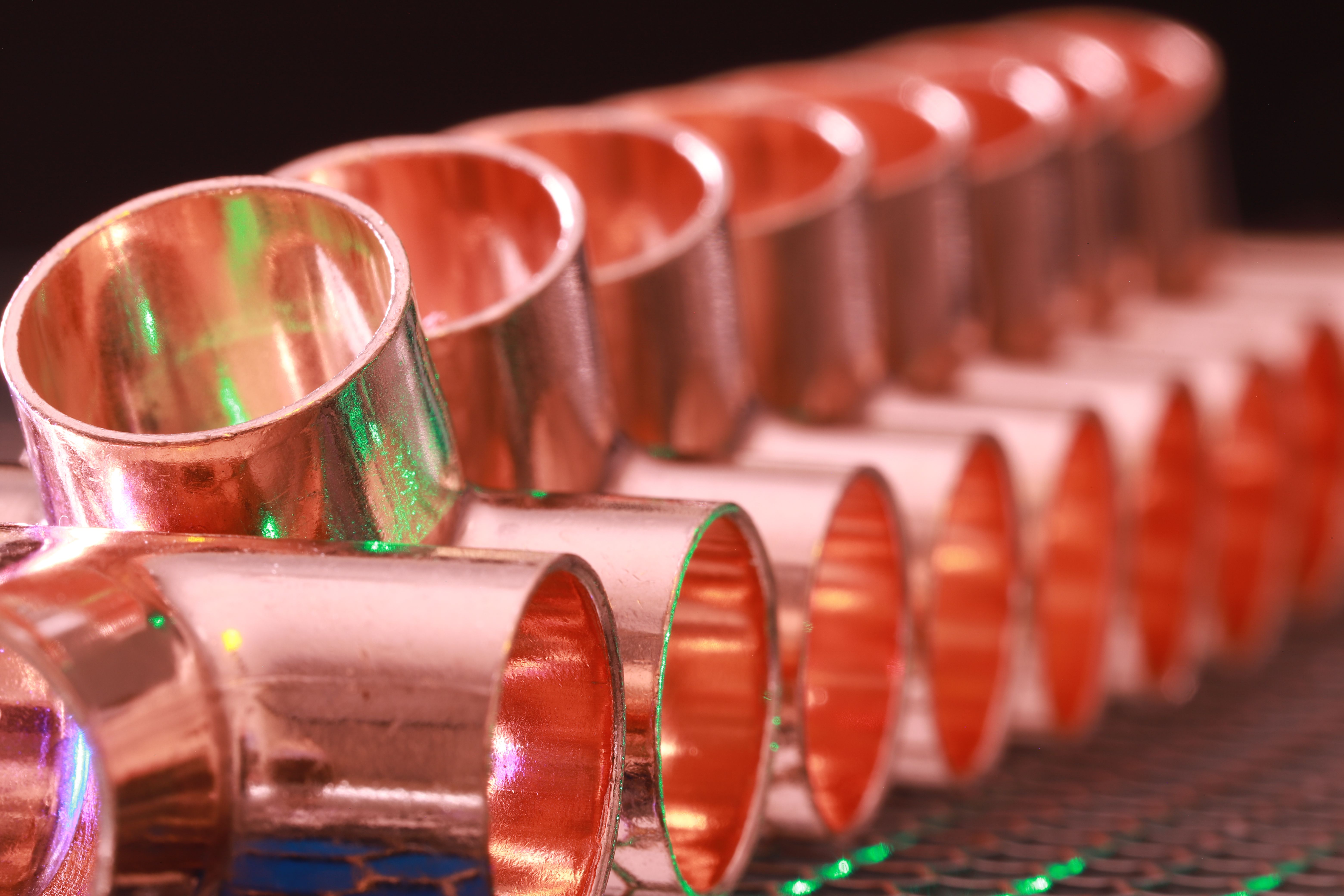
Aluminium, copper, brass, bronze, zinc, lead and tin are examples of non-ferrous metals. Copper appears in plumbing pipes, electrical wiring and some fittings; aluminium turns up in cookware, window frames, ladders and cans. Brass and bronze, both copper alloys, are often used for taps, handles, valves and decorative hardware.
These metals are not interchangeable just because they share the non-ferrous label. Copper conducts electricity very well, aluminium is notably lightweight, and brass is valued for its machinability and appearance. Lead may be found in older plumbing or batteries, but it is hazardous: do not cut, sand or handle suspected lead materials casually. Get qualified advice about identification and safe removal.
If you are choosing materials during a renovation, think about the job rather than the category alone. Strength, exposure to water, weight, finish and compatibility with nearby metals matter. Star2’s overview of sustainable materials for a home offers wider context on material choices, including reuse and recycled products.
Rust is specific; corrosion is broader
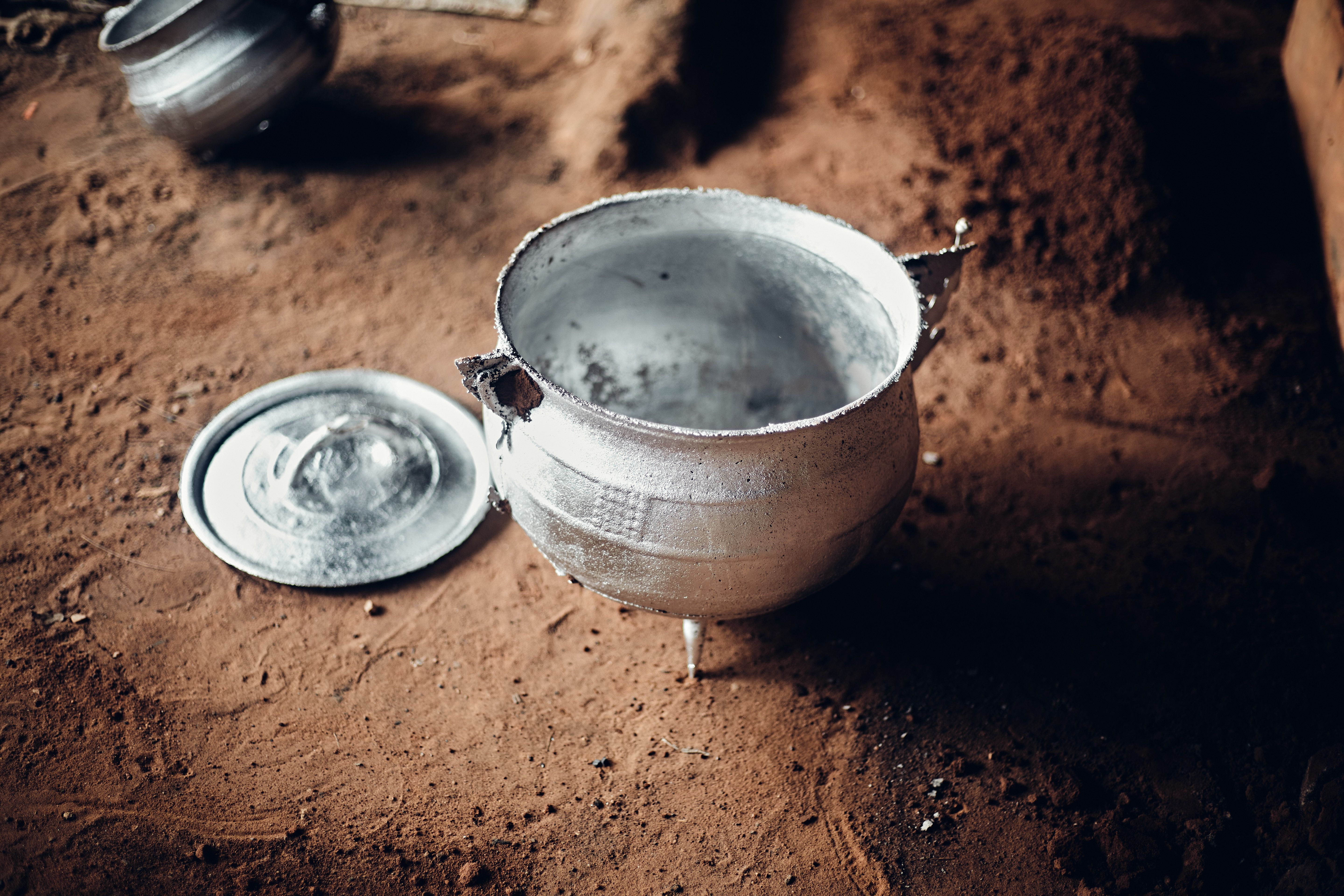
Rust is the familiar reddish-brown corrosion product associated with iron and steel. Non-ferrous metals do not rust in that specific sense, but they are not immune to deterioration. Copper can darken and develop a greenish patina; aluminium can oxidise and stain; brass may tarnish. The surface change and the underlying cause differ by metal and conditions.
That is why “non-ferrous means it never corrodes” is a poor rule for homeowners. Water, salts, cleaning products and contact with dissimilar metals can affect materials in different ways. If a pipe, fitting, roof panel or railing is failing, identify the metal and the environment before deciding that a coat of paint or a replacement part will solve it.
A second common misconception is that all ferrous metals rust quickly. Stainless steel is designed to resist corrosion, and a painted or galvanised steel item may last well if its protective layer remains intact. Damage, poor installation and persistent damp can change the outcome.
Recycling: separate where practical, check local rules
Both ferrous and non-ferrous metals can be recycled, but the collection route depends on the item and your local authority. Small clean cans may be accepted in household recycling; bulky radiators, metal furniture, pipes and renovation offcuts are more likely to need a household waste recycling centre or scrap-metal collector. Check acceptance rules before loading a vehicle, as mixed materials and attached plastics can affect what a site takes.
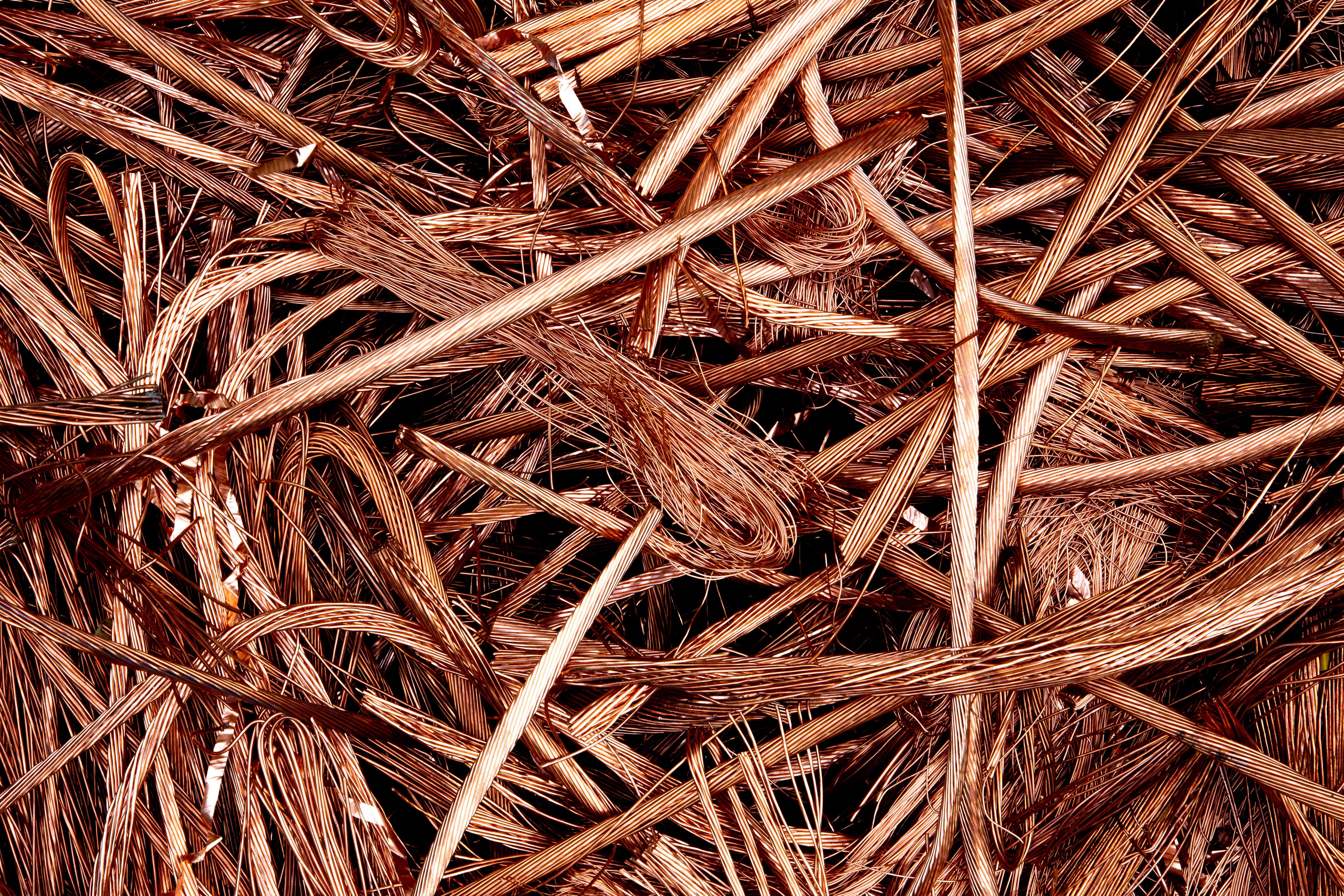
Do not strip insulation from wiring or dismantle an appliance just to extract metal unless you know how to do so safely. Cables and electrical equipment can require specialist handling, and appliances may contain components that should not enter general waste. Recycle More advises checking local options; its guide also warns that aerosols should not be pierced or crushed, even when they seem empty.
For bulky household scrap in Bristol, check collection terms and accepted materials before arranging a pickup through free scrap metal collection Bristol. For ordinary items, the Recycle More guide to commonly recycled materials explains practical distinctions such as steel versus aluminium cans and points readers toward local recycling information.
The homeowner’s quick rule
Start with composition: iron-containing usually means ferrous; without iron, non-ferrous. Use a magnet as a first check, not as final proof. Remember that rust is iron-specific while other metals can still corrode, tarnish or oxidise. And before cutting, dismantling or putting a bulky item out for collection, consider what else may be inside it and check the safe disposal route.
Knowing the category will not identify every alloy, but it gives you a sensible first step. When uncertainty involves wiring, lead, a structural component or an unknown pipe, leave the guesswork to a qualified professional.