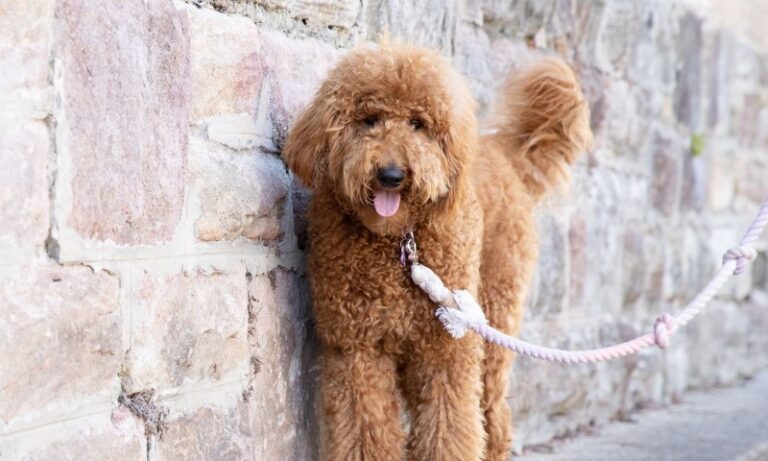
Families often look for a dog that fits naturally into daily routines with children. Mini Goldendoodle temperament with kids is widely appreciated because this breed often combines gentle behavior with playful energy. Many households notice that these dogs adjust well to family life, especially when they receive early socialization and consistent guidance.
Parents usually report that Mini Goldendoodles bond quickly with children and enjoy interactive activities. Their moderate size also makes them easier to manage indoors compared with larger breeds. Understanding typical behavioral patterns helps families prepare for a smoother transition when bringing a puppy home.
Early Bonding Between Mini Goldendoodles and Children
One of the first things families notice is how quickly a Mini Goldendoodle becomes attached to children. Puppies often follow kids from room to room, showing strong curiosity and affection. This early bonding stage helps establish trust and encourages positive interactions.
Families researching mini Goldendoodle puppies often focus on temperament because early environment and breeding practices influence behavior. They are home-raised dogs that become comfortable around people from an early age. Puppies that grow up with regular handling tend to adjust more smoothly to family life.
Children who participate in simple routines such as feeding or supervised play help strengthen this connection. Consistent daily interaction usually leads to a confident and friendly companion.
Gentle Play Behavior Around Younger Kids
Many parents appreciate the Mini Goldendoodle temperament with kids because the breed often shows patience during play. Their natural friendliness encourages interaction without excessive roughness.
Structured playtime helps children learn how to interact safely with a dog. Common patterns families report include:
- Dogs often respond calmly to gentle petting and sitting quietly beside children during rest periods
- Puppies frequently mirror a child’s energy level, becoming active during games and relaxed during quiet time
- Many dogs learn quickly to avoid jumping after consistent correction and training
- Soft toys and supervised tug games help channel energy into safe activities
Despite these positive traits, supervision remains important. Young children still need guidance to avoid pulling ears or handling the dog roughly. Clear boundaries help maintain safe interactions for everyone.
Energy Levels and Daily Activity Balance

Families often describe Mini Goldendoodles as energetic without being overwhelming. This balance makes daily routines easier to manage. Most dogs need regular exercise but do not require extreme activity levels.
Typical daily needs often include:
- Two short walks provide enough movement for most Mini Goldendoodles
- Indoor play sessions help burn energy during bad weather
- Interactive toys keep dogs mentally engaged
- Training sessions provide both exercise and structure
This moderate activity level suits households with school-age children. Kids can participate in walks and play sessions, which strengthens the relationship between dog and child.
Typical Activity Needs by Age
| Age Stage | Activity Pattern | Supervision Level |
| Puppy | Short bursts of play and naps | High |
| Young dog | Regular walks and games | Medium |
| Adult | Predictable daily routine | Moderate |
Activity needs often stabilize after the first year. Predictable routines help children understand when the dog is ready to play or rest.
Emotional Sensitivity and Family Dynamics
Many households notice emotional awareness as part of the Mini Goldendoodle temperament with kids. Dogs often respond to voices and body language in noticeable ways. Calm environments usually produce calmer behavior.
Mini Goldendoodles are often described as highly people oriented dogs that respond strongly to human interaction and emotional cues.
Children sometimes develop strong emotional connections with these dogs. Many families observe that Mini Goldendoodles prefer staying near family members rather than spending long periods alone.
Signs of emotional sensitivity often include:
- Staying close to children during quiet activities
- Showing excitement when family members return home
- Becoming calmer when spoken to gently
This emotional responsiveness helps Mini Goldendoodles become trusted companions for many children.
Consistent training plays an important role in maintaining a positive Mini Goldendoodle temperament with kids. Families who establish clear routines usually report the best outcomes.
Basic training areas often include:
- Simple commands such as sit and stay improve control during active play
- Leash training makes family walks safer and more enjoyable
- Teaching calm greetings helps prevent jumping on smaller children
Training works best when short sessions are repeated regularly. Children can participate in simple commands under adult supervision, which helps reinforce learning.
Did You Know
Mini Goldendoodles often learn basic commands quickly because both parent breeds are known for intelligence and responsiveness to training.
Predictable rules help dogs understand expectations and reduce confusion. Clear communication supports safe interactions with children.
Social Behavior With Visiting Children
Another aspect families often notice is how Mini Goldendoodles respond to visitors. Many dogs show curiosity and friendliness toward new children entering the home.
Positive social behavior often develops through regular exposure. Families who introduce puppies to different environments usually see more confident behavior later.
Common social patterns include:
- Dogs often approach new children cautiously before becoming playful
- Calm introductions help reduce excitement and prevent jumping
- Familiar routines help dogs remain relaxed during visits
Structured introductions create a positive experience for both dogs and visiting children. Regular exposure supports confident behavior as the dog matures.
How Size Influences Safety and Comfort Around Children

One practical advantage families often notice is how the Mini Goldendoodle’s size supports safe interaction with children. The Mini Goldendoodle temperament with kids often feels easier to manage because these dogs are large enough to be sturdy but small enough to avoid overwhelming younger children. Parents frequently mention that the manageable size reduces accidental bumps during play.
Mini Goldendoodles typically weigh between 15 and 35 pounds, which allows children to participate in daily care activities more easily. Tasks such as brushing, supervised feeding, and short walks become realistic responsibilities for older kids.
Several practical benefits of this size range often include:
- Smaller dogs are easier for children to approach without feeling intimidated
- Parents usually find lifting or assisting the dog simpler when needed
- Indoor movement tends to be calmer compared with larger active breeds
Families often find that this balanced size supports comfortable interaction and makes everyday routines smoother for both children and adults.
Conclusion
The Mini Goldendoodle temperament with kids often combines friendliness, emotional awareness, and manageable energy levels. Families usually notice quick bonding and gentle behavior during daily routines. Consistent training and supervision help maintain safe interactions.
With proper guidance, Mini Goldendoodles often become reliable companions for children. A stable environment and regular activity support balanced behavior and long term family compatibility.