

Online casinos and sports betting platforms are often described as industries, sometimes as markets, and occasionally as risks. What they’re less often described as is what they’ve quietly become over the last decade: entertainment ecosystems. Not games in isolation, not bets placed and forgotten, but environments that compete for attention in the same way streaming services, social media, and mobile games do. Understanding how that happened requires looking beyond odds and payouts and focusing instead on behaviour.
From destinations to background activity

Early online casinos were destinations. You logged in with intent. You picked a game. You stayed until you were finished. Sports betting followed a similar pattern, tied closely to kickoff times and fixture lists. That rhythm no longer defines most users. Today, betting and casino play sit alongside betway zm just like any other digital habits. A slot might be opened while a match plays in the background. A live betting market might be checked during a conversation. Sessions are shorter, more fragmented, and less formal. This shift didn’t happen because people became more reckless. It happened because digital life became layered. Entertainment stopped being linear. Casino platforms adapted or risked irrelevance.
Games that tolerate distraction survive
One of the clearest changes in online casinos is which games thrive. Formats that demand constant focus struggle. Games that allow interruption flourish. Slots evolved first. Faster rounds, clear outcomes, minimal setup. But table games followed. Blackjack interfaces simplified. Auto-play features appeared. Betting confirmations became quicker and less intrusive. This wasn’t about making games easier. It was about making them compatible with modern attention spans. A player can step away, return, and continue without friction. That tolerance for distraction is now a defining feature.
Sports betting learned the same lesson

Sports betting faced a similar challenge. Traditional pre-match betting requires planning. In-play betting does not. It reacts. Live markets grew because they fit how people actually watch sport now. Eyes move between screens. Attention spikes during key moments. Betting becomes something that responds to the match rather than predicts it. This is why certain markets dominate. Corners. Next goal. Short windows where context matters more than long-term analysis. They fit the rhythm of modern viewing.
Interface design matters more than odds
For most users, the difference between platforms isn’t pricing. It’s comfort. How quickly can you find what you’re looking for? How many taps does it take to place or exit a game? Does the platform feel calm or cluttered? Casino and betting sites increasingly resemble consumer apps rather than financial tools. Large buttons. Clear feedback. Fewer interruptions. The goal is not excitement. It’s flow. Platforms that interrupt that flow with unnecessary steps lose users quietly. Not through outrage, but through abandonment.
Personalisation turns platforms into feeds
Another quiet shift is how platforms curate what users see. Modern casino and betting apps no longer present the same homepage to everyone. Game suggestions adapt. Recently played titles appear first. Popular live markets are highlighted based on behaviour. Much like streaming services or social media feeds, the experience becomes individual rather than static. This doesn’t always feel dramatic, but it changes how users navigate. Instead of searching, they are guided. Instead of browsing categories, they scroll. Over time, this personalised structure reinforces habit. The platform begins to feel familiar, even anticipatory, reducing effort and increasing return visits without overt pressure.
Why loyalty looks different now
Loyalty used to mean repetition. Logging into the same platform again and again. Today, loyalty is softer. Users move between platforms. They don’t announce it. They don’t consciously decide. One app feels smoother on mobile. Another loads faster during live matches. A third works better late at night. The idea of a “main” casino or sportsbook still exists, but it’s less rigid. Platforms now compete on moment-to-moment usefulness rather than long-term commitment.
Casino play and betting as social behaviour
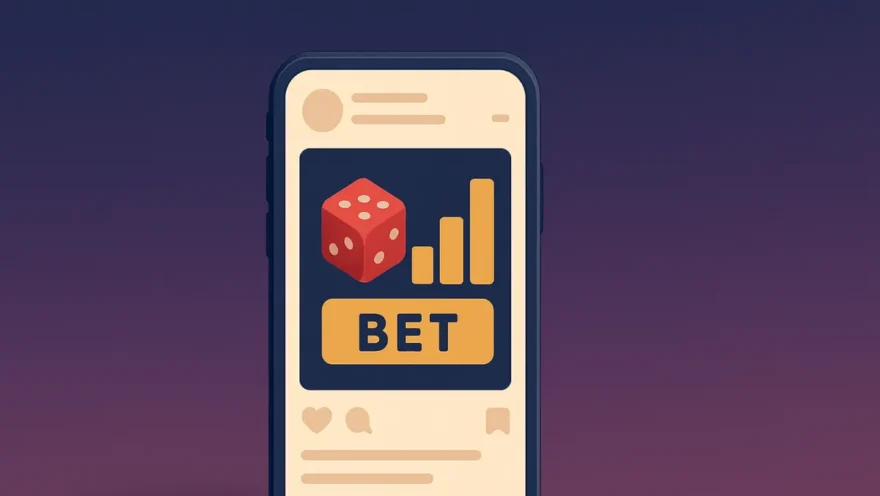
Another overlooked shift is how social online betting has become, even without direct interaction features. People discuss bets in group chats. They share screenshots. They joke about near misses. They follow the same games together while placing different bets. This social layer changes motivation. The bet itself becomes secondary to the shared experience. Winning matters, but being part of the conversation often matters more. That’s why many bets are small and symbolic. They’re markers of participation, not financial strategy.
Regulation shaped the experience, not just the rules
In many regions, regulation forced platforms to rethink presentation. Fewer aggressive prompts. Clearer information. More friction around payments and limits. While often framed as restriction, this also pushed platforms toward cleaner design. Less noise. Fewer distractions. More emphasis on usability. As a result, regulated platforms often feel calmer than unregulated ones. For users, that calm translates to trust, even if they never articulate it that way.
Why complexity still matters
Despite the push toward simplicity, complexity hasn’t disappeared. It’s just been repositioned. Advanced markets, detailed statistics, and niche games still exist, but they’re no longer front-facing. They’re there for users who look for them, not forced on everyone. This layered approach mirrors other digital products. A streaming service offers casual viewing and deep catalog exploration. Casino platforms do the same. The difference is choice without pressure.
Where this leaves online casino and betting

Online casinos and betting platforms didn’t become more popular by convincing people to gamble more. They became more embedded by fitting better into everyday digital life. They learned to tolerate distraction. To reward brief attention. To step back when not needed. For a site like star2.org, that’s the real trend worth noting. Online betting and casino play aren’t growing because of spectacle or hype. They’re growing because they stopped demanding centre stage. They became something people can dip into, step away from, and return to without effort. In a digital world crowded with demands, that quiet adaptability may be their most important feature.