
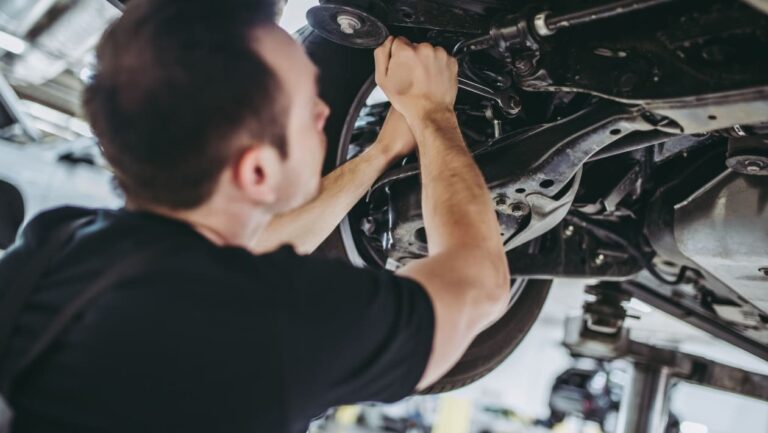
If you want a realistic idea of how much it costs to protect a car from rust in the UK, the current average sits between £250 and £750 for a full professional underseal.
Smaller hatchbacks typically end up near the bottom of that range, while SUVs, vans, and older cars that need surface preparation or rust repair fall closer to the top.
This is the true price range most owners encounter once labour, materials, coatings, and prep work are included.
In a country where rain, moisture, and road salt create perfect conditions for corrosion all year round, the cost is often far smaller than the long-term damage rust can cause.
Many UK drivers wait until rust becomes visible before doing anything about it. By that point, small orange patches on the chassis often lead to welding bills that easily cross four figures.
Undersealing is one of the few maintenance tasks where the economics are brutally simple: pay a few hundred pounds now, or pay much more later when corrosion spreads to structural points.
Because newer cars also show early underbody rust after only a few winters, more drivers are finally treating undersealing as standard preventative maintenance instead of an optional extra.
How Much You Actually Pay in the UK (Real 2025 Figures)
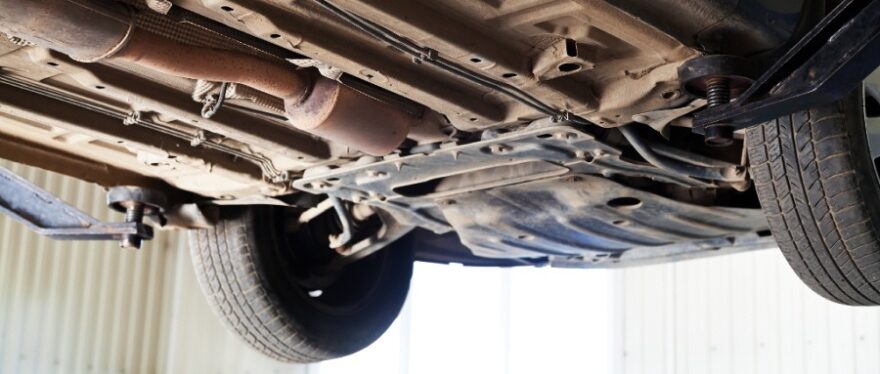
The price you pay depends heavily on the size of your vehicle and the condition of the metal underneath. Workshops and mobile specialists across the UK generally quote within the same ranges:
Average Professional Undersealing Cost
| Vehicle Type | Light Prep | Medium Prep | Heavy Prep / Older Vehicles |
| Small hatchback | £220–£300 | £300–£450 | £450–£600 |
| Saloon / estate | £250–£350 | £350–£500 | £500–£650 |
| SUV | £280–£400 | £400–£600 | £600–£800 |
| Van / 4×4 | £300–£450 | £450–£700 | £700–£900 |
Light prep means only surface cleaning and minor rust stabilisation.
Medium prep includes brushing, degreasing, and applying rust converters.
Heavy prep usually means significant rust removal, grinding, or treating multiple patches before any protective coating is applied.
As a rule, the worse the rust, the longer the job takes and the more expensive it becomes.
The cost reflects the amount of labour involved more than anything else.
A proper job includes detailed inspection, pressure washing and degreasing, drying, rust removal, rust conversion or priming, masking sensitive parts, applying a protective coating, and often injecting cavity wax into sills, chassis rails, and crossmembers.
This is not a quick spray-over job.
It takes three to eight hours of work depending on the vehicle, and it uses professional-grade materials designed to survive multiple UK winters.
People sometimes compare undersealing prices between specialists and wonder why one quote is £200 cheaper.
The difference usually comes down to preparation. If the rust is not neutralised properly before the coating goes on, the corrosion continues to spread underneath.
A cheap underseal might look good for a season but offers very little real protection.
Vehicle Size and Complexity Matter More Than You Think
Larger vehicles have more exposed metal and more structural areas that need coating. An SUV requires noticeably more time and product than a small hatchback.
Vans and 4x4s with open-frame chassis typically take the longest because the specialist must reach into deeper pockets and rails.
Even within the same category, some models have additional underbody panels or tightly packed components that require extra masking.
A small hatchback might take three to four hours for a proper treatment, whereas a van can easily require seven or eight. This time difference is a key part of why quotes vary so widely.
Condition of the Underside: The Real Price Trigger
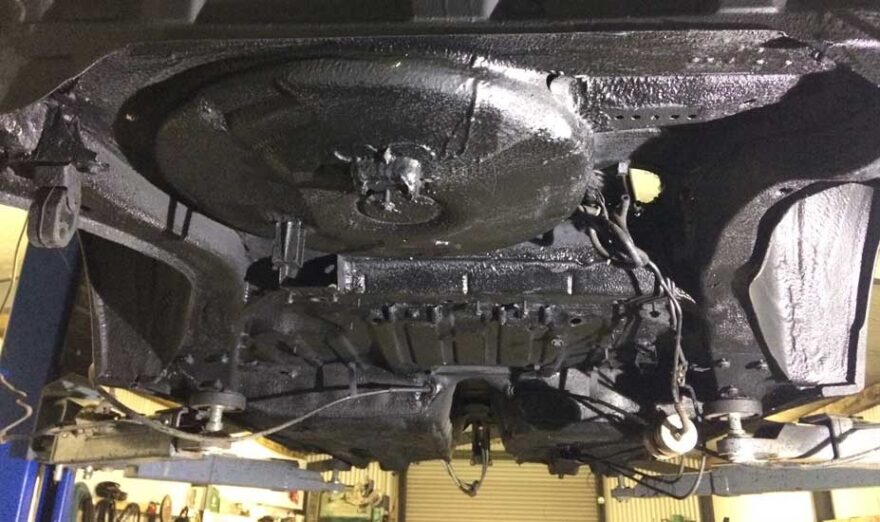
A ten-year-old car that has spent most of its life in Scotland or near the coast will almost always fall into the medium or heavy prep category.
Saltwater, grit, and moisture attack steel faster than most people realise. If the specialist finds flaking rust, deep patches, surface bubbling, or compromised spot welds, the prep work increases sharply.
Rust treatment is not optional. No reputable specialist will spray over untreated corrosion.
This step alone — the time needed to remove rust and stabilise it — can push a quote higher than expected, yet it makes the difference between a coating that lasts a year and one that lasts several.
Type of Coating Used Also Influences Price
Different coatings offer different protection lifespans. Wax-based coatings are the cheapest but usually last only one or two winters.
Resin and rubberised coatings last longer and resist stone chips far better. High-end systems that combine a rubberised base layer with cavity wax can last five to eight years when applied correctly.
Comparison of Common UK Underseal Types
| Coating Type | Durability | Notes |
| Wax-based | 1–2 years | Affordable, but less durable in harsh winter conditions |
| Resin-based | 3–5 years | Harder finish, better against impacts |
| Rubberised coating | 5+ years | Strongest barrier, reduces road noise |
| Dual-layer system | 5–8 years | Most protective, includes cavity wax |
Budget services almost never include cavity waxing — even though cavities are where rust usually begins.
A Quick Reality Check: Undersealing Costs Less Than Rust Repair
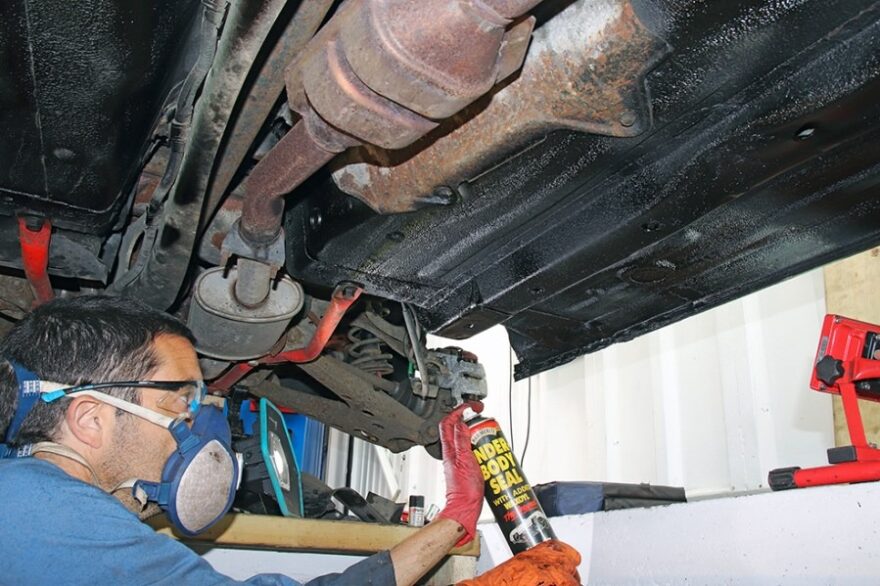
Many owners only start researching undersealing after failing an MOT due to corrosion near suspension mounts, brake lines, or sills. At that point the cost is no longer measured in hundreds but in welding hours and structural repair.
Typical Rust Repair Costs vs Undersealing
| Repair Type | Realistic UK Cost |
| Small rust patch repair | £150–£400 |
| Brake pipe corrosion fix | £100–£300 |
| Subframe rust repair | £300–£700 |
| Welding sills | £200–£600 |
| Structural chassis welding | £600–£1500 |
| Vehicle written off | Total loss |
A proper underseal is almost always cheaper than the repairs you will need if corrosion spreads unchecked.
This is exactly why many drivers are now treating undersealing a vehicle as a long-term investment rather than an optional add-on. Instead of waiting for rust to show, they choose to protect the underside before winter or immediately after buying a used car, especially if the previous owner lived in a region with heavy salting.
The option of mobile services also makes the process easier for people who cannot leave their car in a workshop for a full day.
How Long Does Professional Undersealing Last?
A well-prepared underseal typically lasts three to eight years, depending on the coating type, mileage, road salt exposure, and weather.
Vehicles driven on rural roads or coastal areas may need a refresh slightly sooner.
Urban commuters can get longer life out of a strong rubberised or resin-based coating, especially if cavity wax was included during the treatment.
The first winter after application often shows the biggest difference.
The underside stays cleaner, stone chips stop penetrating the metal, and there is no surface rust forming after heavy rainfall or salted motorways.
What a Proper Underseal Treatment Should Include
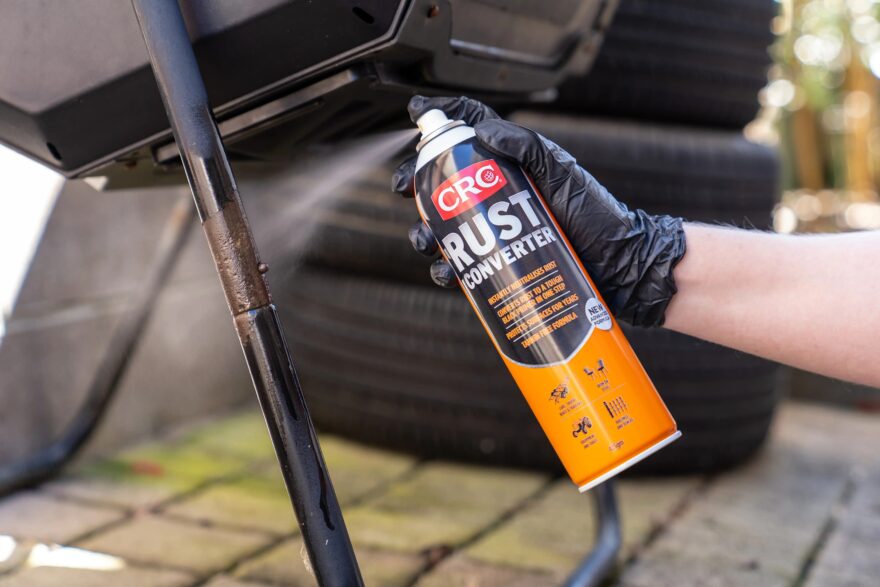
A serious job follows a predictable order. First comes a full inspection to identify rust-prone areas, followed by pressure washing and degreasing to remove mud, oil, and old coatings.
The underside must then be dried thoroughly before any rust removal begins.
Only after brushing or grinding loose rust and applying a converter or primer can the protective layer go on.
Once the underbody coating is applied, a final check ensures all high-risk points are covered.
This careful sequence is why quality undersealing takes time.
Professionals who rush the preparation guarantee short-term results at best.
Signs Your Car Is Ready for Undersealing
Drivers often notice the early warnings long before the MOT inspector does. Small brown spots appearing around suspension arms, bubbling under wheel arches, flaky surfaces near the fuel tank or sills, and any signs of moisture retention are typical first alerts.
UK winters make this worse because the mixture of moisture and road salt accelerates oxidation dramatically.
Even newer cars that appear rust-free from a distance can show corrosion once the undertrays are removed.
Many owners are genuinely surprised to see the early stages of rust on cars only three or four years old.
Choosing the Right Time of Year
Late spring, summer, and early autumn are ideal because the underside dries quickly and the coating cures evenly.
Winter undersealing is still possible, but the process takes longer due to moisture and low temperatures.
Many specialists schedule their busiest period between April and October for this reason.
Electric and Hybrid Cars Also Need Protection
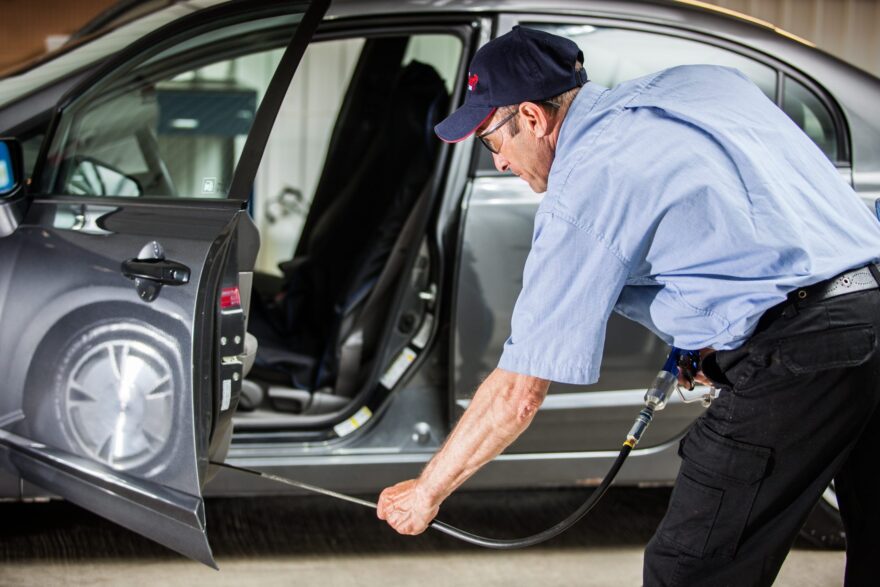
EV and hybrids are not immune to rust. Their battery casings use bolted steel frames, and the subframes and suspension components are often no different from petrol cars.
Corrosion on these parts still triggers MOT issues and repair costs.
With EVs, the additional electronics simply mean more masking work for the specialist, not that undersealing is unsafe or unnecessary.
Final Thoughts
Undersealing is one of the most overlooked yet financially smart maintenance decisions for UK drivers. With the genuine cost ranging between £250 and £750, it sits in the same price category as a major service but can prevent repairs that cost several times more.
The mix of British weather, damp air, salted winter roads, and ageing used car stock makes rust protection more relevant now than ever.
For anyone planning to keep a car long term, or anyone who has just bought a used vehicle, proper undersealing is a practical investment in both safety and longevity — and one that pays for itself the moment a future welding bill is avoided.