

Evony boss farming rewards players who think in systems rather than reactions. Boss timers, spawn patterns, and farming loops are not random chaos. Progress comes from routines that can be repeated every day with minimal friction.
Players who rely on constant map scanning often burn stamina and time without steady returns. A structured approach creates predictable results, especially for free to play or low spend accounts.
This guide explains how boss spawns actually work, how to track them with simple habits, and how to build a farm loop that supports long term growth without stress or burnout.
How Evony boss spawns actually work
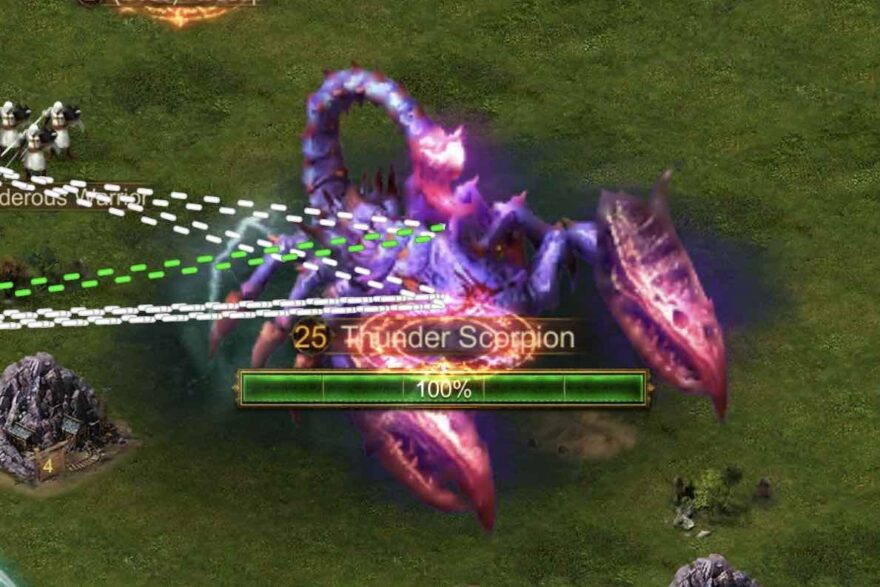
Boss spawns in Evony follow cycles tied to map regions rather than pure randomness. Each zone holds a limited pool of bosses that refresh after defeats. New players often assume bosses appear globally at fixed times, which leads to wasted marches and map hopping. In practice, spawns rotate locally. When a boss is killed, the next one appears in that same region after a predictable delay.
Understanding this helps remove guesswork. You are not hunting luck. You are managing time. Most farming focused players learn to work within a familiar radius around their city. Over time, spawn timing becomes intuitive. Boss density stays consistent as long as kills happen regularly.
Did you know
Bosses do not stack endlessly in one area. If no one clears them, the region reaches a cap and stops generating new targets.
Tracking boss timers through routine play
Tracking does not require spreadsheets or external tools. The most reliable method is habit building. Each time you defeat a boss, note the time mentally or with a quick in game message. Over several days, patterns become obvious. You start to expect spawns instead of reacting to them.
A simple rotation strategy helps. Divide nearby zones into segments and visit them in order. This prevents overlapping checks and missed spawns. Many players sync boss checks with other activities like gathering refreshes or daily quests.
Key habits that work long term:
- Always farm within the same radius
- Rotate zones in a fixed order
- Pair boss checks with stamina regeneration windows
Consistency matters more than precision. Even rough timing beats random searching.
Automation and long term consistency

Some players use automation to support routine farming rather than replace gameplay. When used responsibly, tools can reduce repetitive inputs and help maintain schedules. For players managing multiple accounts or large farms, solutions like Evony Bot can support consistency by handling routine actions with stable performance. Many use it to reduce idle time, manage marches, and keep farming loops running smoothly while staying within planned routines.
The key is intent. Automation should reinforce structure, not chase spawns aggressively. When routines stay predictable, progress becomes measurable. Players who focus on system stability avoid burnout and reduce mistakes that cost stamina or marches.
Automation works best when paired with clear limits and planned windows, not constant scanning or reactive movement.
Choosing bosses that support steady farming
Not all bosses fit a daily loop. Some require long travel or high stamina costs for uncertain rewards. Efficient farming focuses on accessible bosses with consistent drops and low risk. Medium level bosses close to home often outperform rare targets over time.
Practical boss selection depends on three factors:
- Distance from city
- Average stamina cost
- Reliability of rewards
Bosses that you can defeat with one march and minimal buffs are ideal. Rewards that support healing, refining, and training sustain growth better than chasing rare items.
Avoid overextending. A farm loop should feel calm and repeatable. If a boss requires special preparation every time, it does not belong in a daily system.
Building a simple farm loop that works daily

A farm loop is a planned sequence of actions repeated each day. It starts with stamina budgeting and ends with resource storage. The loop should fit your available playtime without rushing.
A basic loop often includes boss kills, short gathers, and city maintenance. Each part supports the next. Boss rewards fund healing. Gathering fills gaps. City tasks consume resources efficiently.
Here is an example structure that many players use.
| Step | Action | Purpose |
| 1 | Clear nearby bosses | Use stamina efficiently |
| 2 | Send short gathers | Fill downtime |
| 3 | Heal and refine | Convert rewards |
| 4 | Reset marches | Prepare next cycle |
The value lies in repetition. Small gains compound over weeks.
Avoiding common boss farming mistakes
Many farming issues come from overreacting. Chasing distant bosses drains stamina and creates long march downtime. Poor timing causes overlap with stamina caps or daily resets. Another common mistake is stacking marches on one target, which wastes speedups.
Players also underestimate travel time. A boss ten tiles farther away may cost more than its rewards justify. Staying local improves efficiency and reduces attention required.
Mistakes to watch for:
- Traveling beyond your farming radius
- Ignoring stamina regeneration timing
- Farming during high server activity
A calm loop avoids these traps. If a choice feels rushed, it usually breaks the system.
Managing stamina and march timing

Stamina is the backbone of boss farming. Efficient players plan around regeneration rather than draining reserves. Logging in when stamina is near cap prevents overflow waste. Short farming sessions spaced through the day often outperform one long session.
March timing also matters. Staggering marches avoids idle gaps. One march returning as another leaves keeps momentum steady. Speedups should support timing alignment, not emergency reactions.
Stamina spent on predictable bosses generates more value than stamina saved for rare opportunities that may never appear.
When stamina management becomes routine, farming feels lighter and more controlled.
Fitting boss farming into limited playtime
Not everyone can farm all day. A good loop respects time limits. Even thirty minutes can support steady growth if used well. Focus on one full loop instead of partial attempts across the map.
Short sessions work best when paired with fixed tasks. Clear a set number of bosses. Send gathers. Log off. Over time, this builds a rhythm that does not demand constant attention.
Players who keep sessions predictable report less burnout and fewer mistakes. Farming becomes maintenance rather than pressure. Progress stays steady even during busy weeks.
Consistency beats intensity. A loop you can maintain always wins.
Conclusion
Boss timers and farm loops reward structure, not chaos. Tracking spawns through habits, choosing practical bosses, and repeating a simple loop creates smoother progression over time. Predictable routines outperform reactive farming and reduce burnout.
Players who treat boss farming as a system gain steady resources without stress. A calm loop built around consistency will always outperform frantic chasing in the long run.