

Choosing a packaging supplier for a cannabis brand usually gets treated as a purchasing decision. It is not. It is a risk decision wearing a purchasing decision’s clothes, and if you pick on unit price and a quoted lead time alone, the failure often does not surface until a state inspector asks to see a test report you do not have.
That is not a rhetorical worst case. In October 2024, Ohio’s Division of Cannabis Control issued a class II recall after a dispensary customer flagged that a cultivator’s flower packaging did not look child-resistant. When regulators checked, the cultivator could not produce documentation proving the mylar bags met 16 CFR 1700, the federal child-resistance standard – so the recalled batches of flower it had sold in mylar bags had to be returned or thrown away. The cannabis itself was fine. The packaging was the regulatory event, and the brand owned it, not the bag supplier.
That asymmetry – compliance exposure sitting with the licensed brand while the supplier walks away – is the single most important thing to understand before you sign anything. A supplier who says “fully compliant” without paperwork is really saying “that problem will be yours later.” The rest of this article is about how to avoid becoming that brand.
The stakes are only rising. Analysts at Mordor Intelligence put the global cannabis packaging market at about USD 2.29 billion in 2026 and forecast it near USD 4.65 billion by 2031, driven less by legalization alone than by stricter compliance mandates and demand for premium, sustainable packs. When your state’s rules can change a packaging decision overnight, the supplier you choose is your early-warning system. Choose someone who cannot read a regulation and you have chosen to be caught flat-footed.
Child-resistance claims are worthless without the test report
Child-resistant certification is not a feature a supplier bolts on. It is the outcome of formal panel testing under the CPSC protocol in 16 CFR §1700.20: panels of children aged 42 to 51 months, of whom at least 85% must fail to open the package within five minutes, and panels of adults aged 50 to 70, of whom at least 90% must be able to open and properly resecure it. The testing is done by an ISO/IEC 17025-accredited laboratory, and the certification applies to the exact configuration tested – the specific package, closure, and liner combination. A jar certified with one cap is not certified with a different cap, and no amount of shrink wrap changes that.
So the first thing you ask any supplier for is the third-party test report for the exact SKU you are buying, not a Certificate of Compliance. A CoC is a supplier-generated summary document; the test report is the evidence underneath it. A legitimate supplier produces the report within a day or two, names the accredited lab, and shows pass results for both panels. A supplier who sends a spec sheet with a “CR” checkbox is telling you everything you need to know.
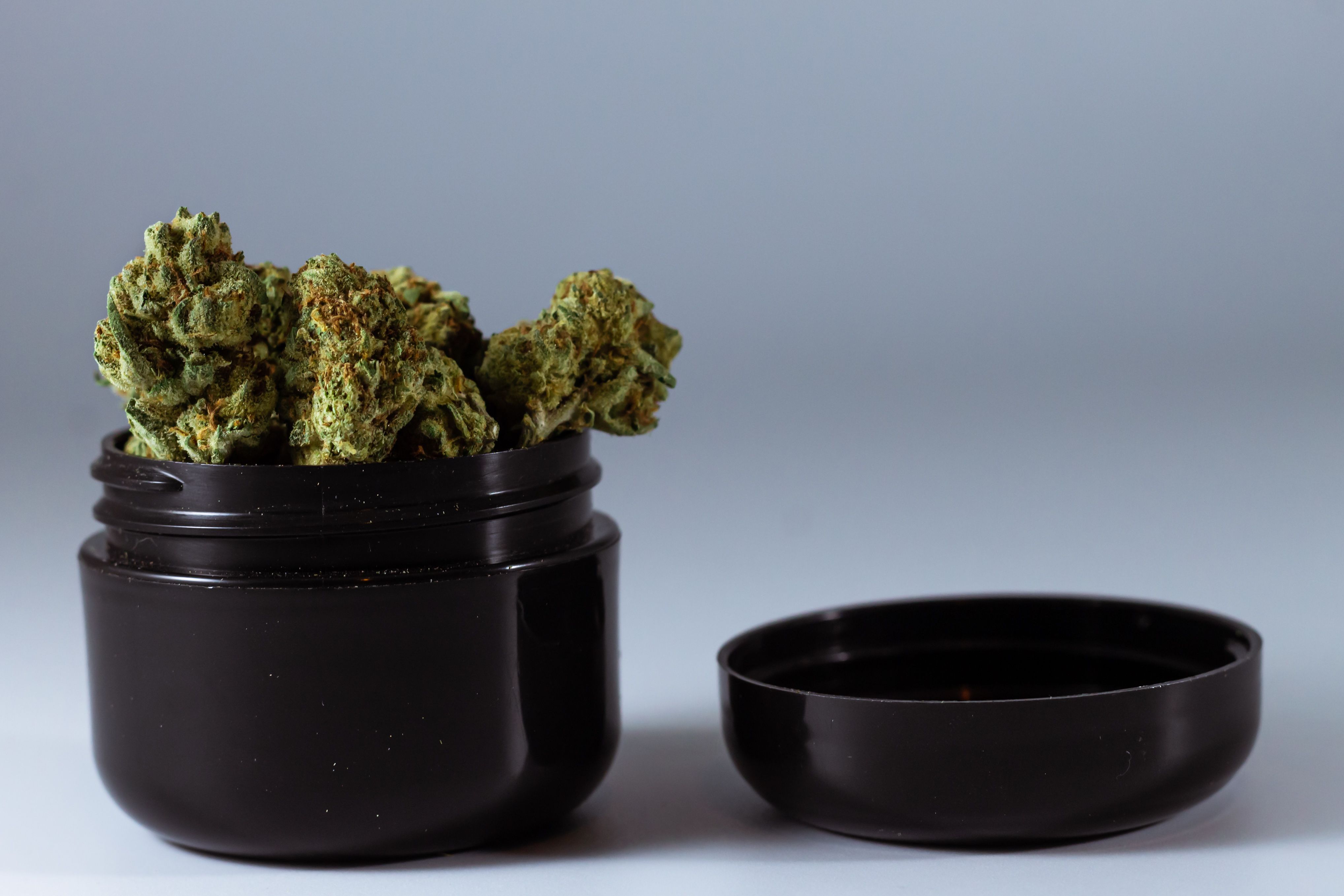
There is one more distinction worth pinning down before you order: single-use versus multi-use. A package certified to be opened once is not automatically compliant for a product meant to be opened and reclosed across several sessions. Several states now require multi-use flower and edible packaging to stay child-resistant and resealable after the first opening – Texas, for example, moved multi-serve consumable hemp in that direction under recent Department of State Health Services rules. If your supplier cannot tell you which category your product falls into, they are not equipped to keep you compliant.
Federal compliance is not the same as state compliance
Here is the part that surprises operators who think passing federal child-resistance testing is the whole job: a federally certified package can still fail a state inspection. States layer their own requirements on top – opacity rules that hide the product from view, mandated warning panels and universal cannabis symbols, resealability for multi-dose formats, and bans on packaging “attractive to children.” California’s Department of Cannabis Control has ordered voluntary recalls of flower purely because packaging and labeling design could appeal to minors, most recently a 2026 product sold with a small collectible figurine. The package was child-resistant. It was still pulled from shelves.
This is why a supplier who proactively flags your state’s opacity or child-appeal rules before you order is worth more than one who just takes the PO. That willingness to educate rather than sell is the qualitative signal you cannot get from a spec sheet.
Manufacturer or middleman: know who you are really dealing with
Most sourcing mistakes trace back to one unasked question: who actually makes this packaging? A manufacturer controls tooling, engineering, production, and quality control – and, crucially, holds the documentation chain behind the certification. A broker or distributor sources from factories they do not control, and when you need a dimension changed by two millimeters or a test report traced to a production run, they have to go ask someone else. In a compliance audit, that gap looks the same as having no documentation.
You can tell which one you are talking to with four questions: Can you produce the third-party test report for this specific format? Which factory makes it, and where? Who manages quality control during my production run? And if my order arrives wrong, what is your resolution process? A manufacturer answers all four specifically and quickly. A broker answers with vague language about “overseas partners” and a claims process that starts only after delivery.
None of this means brokers are useless – if you are buying stock formats and know exactly what you need, a good distributor is a fine way to buy. But the closer your packaging gets to custom and regulated, the more you want direct control of the production chain. That is why factory-direct suppliers have grown in this market: a factory such as Feel U, which runs its own automated mylar-bag line and packaging-box factory and sells direct to U.S. cannabis brands, answers an engineering question in hours rather than weeks, because the person on the other end of the email sits close to the production floor. Factory-direct also changes the math on minimums and design help, which matters for a brand that does not want to sit on a year of inventory.
Match the package to how the product is actually used
Before you compare suppliers, decide what the package has to do. Flower that sits on a shelf for months needs a light-blocking, airtight container that protects terpenes; a single pre-roll needs something far simpler; a multi-dose edible needs a resealable child-resistant format. If the supplier’s first question is about your product, fill weight, and target state rather than just your logo colors, that is a good sign. If their first question is your budget, keep looking.
Format choice also drives the economics. Rigid packaging such as glass jars and boxes led the market in 2025 with roughly two-thirds of value share, while flexible mylar bags and pouches are the fastest-growing segment – lighter, cheaper to ship, and easier to automate on a fill line. There is no universally “best” format, only the one matched to your product, price point, and the use pattern your consumer will actually have.
MOQs and lead times: where good suppliers reveal themselves
Minimum order quantities and lead times tell you more about a supplier’s honesty than almost anything else. For certified custom formats, an MOQ between 5,000 and 10,000 units is a reasonable industry baseline; some factory-direct suppliers can go meaningfully lower, and undecorated stock formats lower still. What matters more than the floor is what happens as you grow. Can the same supplier take you from 5,000 to 50,000 units without a change? Do they hold safety stock for repeat customers? A supplier who fits at launch but not at three times your volume is a supplier you will have to fire later, and switching costs in a regulated market are brutal.
Lead times deserve the same skepticism. A quote that says four weeks and quietly becomes twelve after you pay is a classic pattern in this industry, especially when freight is included in the count. Ask for the end-to-end number – design and sample time, production, decoration, shipping – and get it in writing. And while you are at it, ask for the total landed cost, because overseas production with cheap per-unit pricing can evaporate once freight, duties, and a reorder that misses your launch date are factored in. (Domestic decoration usually runs weeks; an overseas run can run months. Know which clock you are on.)
Ask to see the quality system, not just a shiny sample
Pre-production samples are table stakes, and a supplier who pressures you to commit before you have seen a physical sample is managing their own inventory risk at your expense. But the sample is only half the picture. The real question is whether production matches the sample – whether what you approved is what lands on your dock by the thousandth unit.
Ask about quality control in concrete terms: incoming material inspection, in-process checkpoints, finished-goods verification, defect-rate targets (quality manufacturers typically hold defect rates under roughly 1–2% under statistical sampling like AQL). Ask whether they operate under GMP-style practices and, if manufacturing is overseas, whether anyone with authority is on the ground during your run. Vague assurances about “high standards” are not a quality system.

Reorder time is where weak suppliers show themselves. Certification applies to the package as manufactured, so when a supplier changes a closure, material, or production source between orders, your certification may no longer cover what arrives. A capable supplier confirms in writing at each reorder that the current run matches the tested specification. If a supplier resists that simple confirmation, treat it as a red flag rather than an inconvenience.
The shelf is part of the specification
Compliance keeps you in business; shelf appeal keeps you relevant. In mature markets, packaging is the primary place a cannabis brand gets to make its case before purchase – and it is the only place that happens without a budtender’s help. Custom decoration – direct printing, labels, embossing, spot UV, foil, Pantone-matched color – turns a compliance box into a brand asset. The question is whether the supplier does decoration in-house or hands it to a third party, because registration issues, color drift, and turnaround delays multiply the more hands are in the chain.
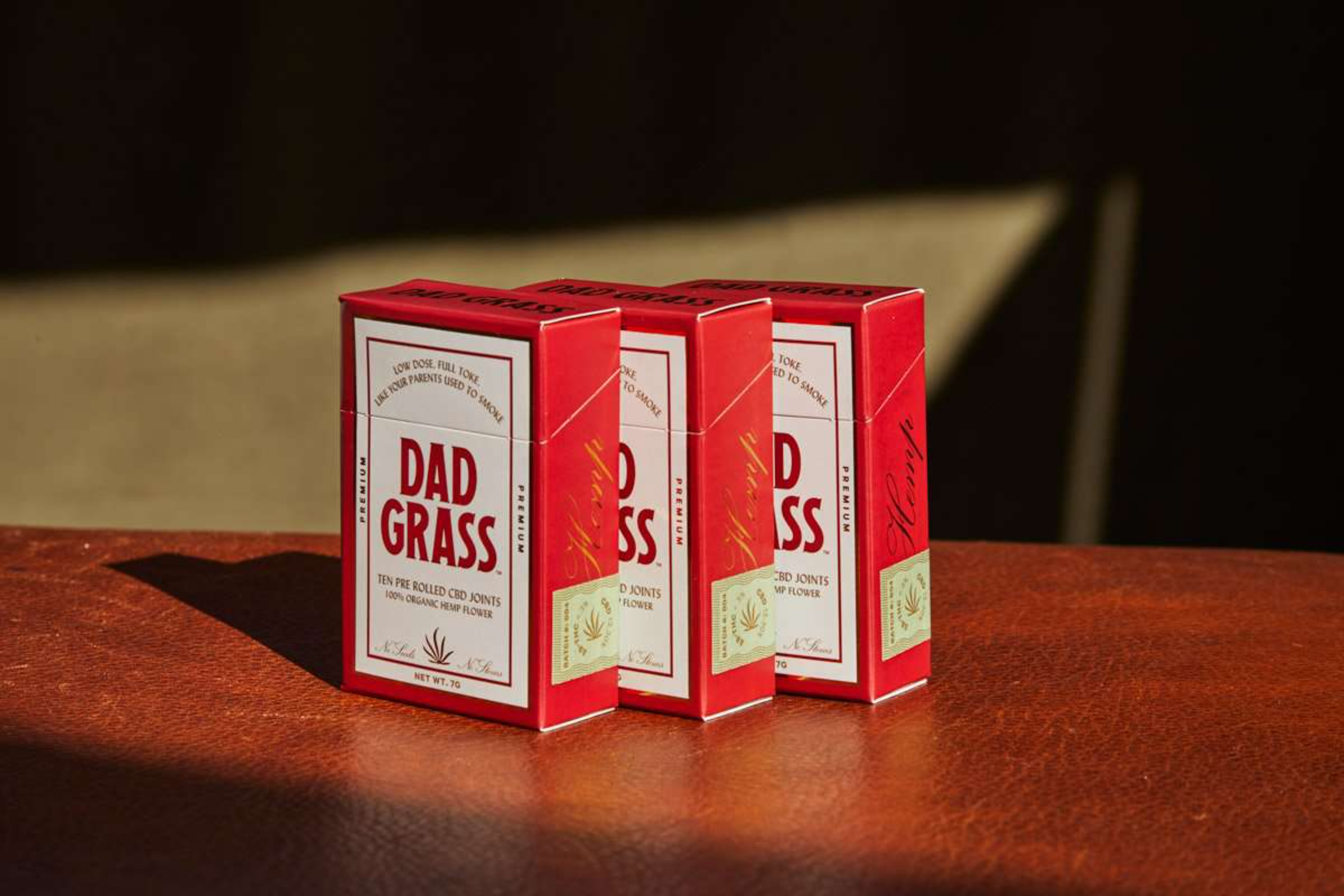
My honest advice is to judge suppliers partly on how they handle your artwork before any money changes hands. A supplier whose designers send back usable dielines, mockups, and print-ready files during the quote stage is showing you how the whole relationship will run. If the pre-sale experience is slow and evasive, the post-sale experience will be worse.
Sustainability is arriving with paperwork attached
Eco-friendly packaging is no longer a differentiator so much as a requirement in waiting. Regulators are attaching recycled-content mandates to cannabis packaging – New York already requires 25% post-consumer resin in plastic cannabis containers – and biopolymers are the fastest-growing material segment in the market. But here is the tension most buyers miss: sustainable materials still have to survive child-resistance testing and barrier requirements. A kraft-paper mailer or a compostable pouch is not child-resistant by virtue of being eco-friendly, and swapping to PCR resin can change a package enough to require recertification of the child-resistant system.
That is exactly the kind of interplay you want a supplier to raise before you ask. If a supplier only ever talks about recyclability and never mentions what it does to certification, they are selling you a story, not a package.
A scorecard you can actually use
When you are comparing suppliers, run every candidate through the same short table. It collapses the whole article into something you can hold next to a quote.
| What to verify | What a good supplier shows | Walk-away signals |
|---|---|---|
| Certification documentation | Third-party test report for the exact SKU within a day or two, naming the accredited lab and standard | Only a Certificate of Compliance, or “fully compliant” with no paperwork |
| Who manufactures | Specific factory, location, and direct control over production and QC | Vague “overseas partners,” no direct engineering contact |
| State-level knowledge | Flags opacity, resealability, and child-appeal rules for your state before you order | Has no idea your state’s rules differ from anyone else’s |
| MOQ and lead time | Realistic end-to-end timeline in writing; scales from your launch volume upward | Quoted weeks that quietly become months; MOQ that forces a year of inventory |
| Quality control | In-process checks, defect targets, written reorder confirmation each run | Sample looks great; production is a lottery; no inspection story |
Would you rather have the supplier who saves you four cents a unit, or the one who can hand a state inspector a test report the same afternoon you get the call? I know which one I would pick, and I think most operators who have been through a compliance event pick the same one the second time around. The cheapest quote is only cheap until it is not – and in this industry, “not cheap” tends to arrive as pulled product and a license review, not an invoice.
The pattern across every check above is the same: documentation discipline. A supplier who can produce test reports, traceability, reorder confirmations, and honest timelines without hesitation is a supplier who has built their process for regulated markets. One who cannot is betting that you never ask. Do not make that bet with your license.
How this article was researched. I based the compliance detail on the CPSC protocol in 16 CFR §1700.20 as published on eCFR (checked September 2026) and on the Ohio Division of Cannabis Control’s October 2024 recall notice. Market figures come from Mordor Intelligence’s cannabis packaging report, current as of July 2026; packaging analysts’ market-size estimates vary widely by methodology, so treat the numbers as directional. State rules change frequently – verify current requirements in each state where you sell before finalizing any package.