
Non-conformance in manufacturing occurs when a product, process, material, document, or working method fails to meet an established requirement.
Requirements may include product specifications, quality standards, customer expectations, regulatory rules, or internal procedures.
Even small deviations can lead to rework, production delays, scrap, customer complaints, penalties, or recalls.
Effective management requires early detection, containment, documentation, root-cause analysis, corrective action, and verification.
Common Examples of Manufacturing Non-Conformance
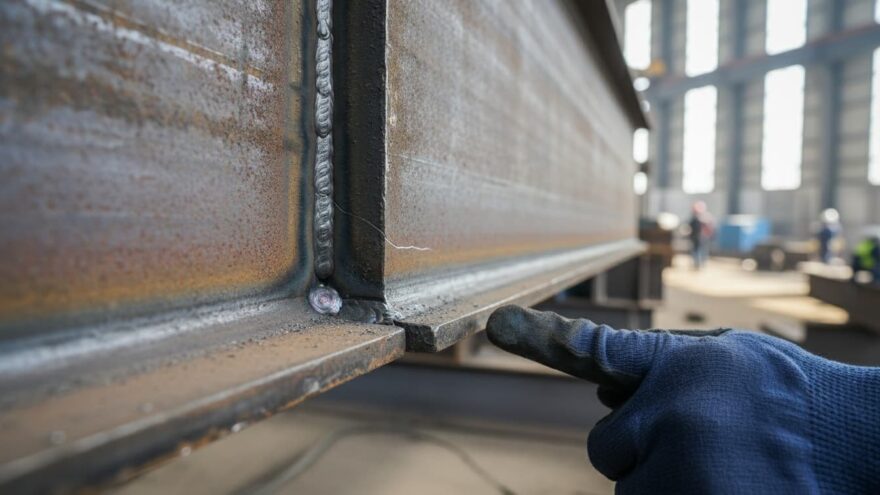
A quality management system helps manufacturers control these areas through standardized procedures, documentation, inspections, corrective actions, and traceability.
Learning what is QMS in manufacturing also helps explain how quality controls connect with day-to-day shop floor operations.
Common examples include:
- Products outside specified dimensions or tolerances
- Functional failures
- Scratches, dents, or cosmetic defects
- Incorrect or missing labels
- Raw materials that fail specification
- Supplier components that do not meet requirements
- Operators failing to follow prescribed processes
- Unauthorized changes to SOPs or work instructions
- Missing, inaccurate, or outdated documentation
- Required testing or inspections that were not completed
- Corrective actions that were recommended but never implemented
One aviation case involved incorrectly drilled fuselage holes on about 50 undelivered Boeing 737 aircraft. Rework was required before delivery.
What Causes Non-Conformance?
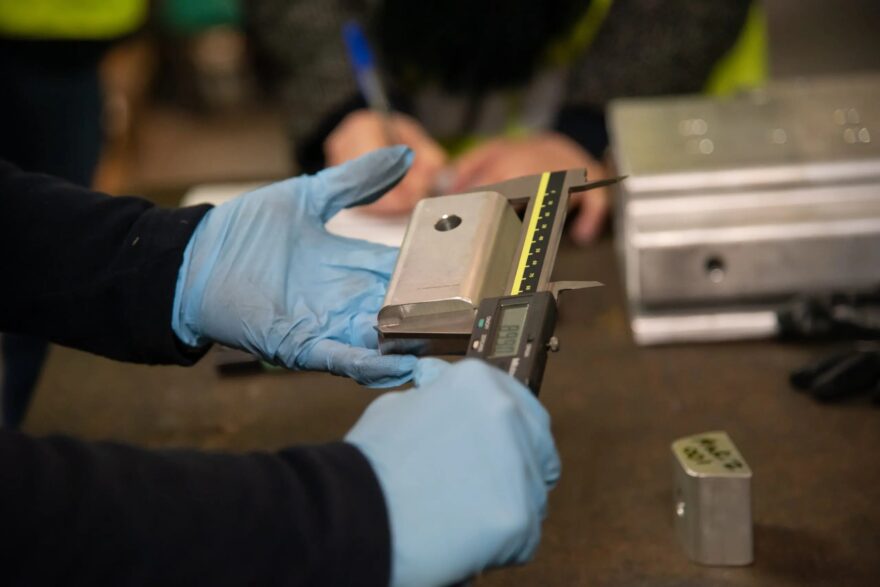
Non-conformance can result through several production and quality failures.
Mistakes can occur when employees misread instructions, use incorrect tools, select wrong settings, or skip required steps.
Employees who are not properly trained may misunderstand procedures, inspection requirements, equipment use, or compliance obligations.
Machine malfunctions, worn tooling, incorrect settings, or poor maintenance can cause products to fall outside specification.
Expired calibration, damaged tools, or incorrect measurement methods can produce inaccurate inspection results.
Vague, outdated, or conflicting work instructions can create inconsistent production results.
Processes that are not properly monitored can develop excessive variation and recurring quality problems.
Substandard raw materials or incorrect storage and handling conditions can affect finished-product quality.
Defective components, inconsistent production, or undocumented supplier changes can introduce non-conformance.
Poor tolerances, unclear requirements, or difficult-to-manufacture designs can create recurring quality issues.
Why Is Non-Conformance a Problem?

Non-conformance can create costs related to:
- Rework
- Scrap
- Waste
- Extra inspections
- Retesting
- Returns
- Corrective work
- Recalls
A 2023 Hyundai and Kia recall affected more than 3.3 million vehicles, with estimated recall costs exceeding $2 billion.
Production Disruption
Investigations, quarantines, rework, and additional testing consume production time and can delay customer orders.
Compliance Risk
Unresolved issues can contribute to fines, recalls, audit findings, certification problems, or production restrictions.
Customer Impact
Poor quality can result in complaints, returns, warranty claims, lost contracts, and reduced customer confidence.
Safety Risks
Non-conformance involving critical specifications, materials, or equipment can create risks for workers and end users.
How Should Non-Conformance Be Managed?

Now let us take a look at how it should be managed.
1. Identify and Contain the Issue
Problems may be detected through inspections, audits, product testing, employee reports, customer complaints, or returns.
Affected products or materials should be stopped, segregated, or quarantined so they cannot continue through production or distribution.
2. Document the Non-Conformance
A formal non-conformance report, or NCR, should record:
- Date and report number
- Department or project
- Description of the deviation
- How it was identified
- Products, materials, or processes affected
- Root-cause findings
- Corrective and preventive actions
- Responsible owners
- Completion dates
- Evidence of effectiveness
Issues may also be classified as minor or major based on risk and potential impact.
3. Determine the Root Cause
Root-cause analysis should identify why the problem occurred instead of addressing only the immediate symptom.
Common tools include:
- 5 Whys
- Fishbone or Ishikawa analysis
- Process data
- Production records
- Equipment history
- Training records
- Supplier data
Root causes may involve people, equipment, materials, procedures, measurements, suppliers, design, or wider quality systems.
4. Decide on Disposition
Possible outcomes include:
- Rework the product to specification
- Repair it when acceptable
- Approve use as-is for a minor deviation
- Return supplier-related material
- Repurpose the item
- Scrap unusable products
Disposition decisions should be formally approved and documented.
5. Implement Corrective Action
Corrective action should address the identified root cause.
Plans should define:
- Required actions
- Responsible owner
- Resources
- Target completion date
- Verification method
Actions may include procedure updates, employee retraining, equipment repair, improved process controls, design changes, or supplier corrective measures.
6. Verify Effectiveness
Corrective action should be checked to confirm that the problem has been resolved.
Verification may include:
- Follow-up inspections
- Audits
- Testing
- Production data
- Defect trend monitoring
- Supplier performance reviews
An NCR should only be closed after required actions are completed and their effectiveness has been confirmed.
Closing Thoughts
Effective non-conformance management follows a clear cycle: detect, contain, document, investigate, correct, verify, and prevent recurrence.
Strong procedures, training, supplier controls, maintenance, calibration, inspections, audits, and NCR trend analysis help manufacturers reduce scrap, rework, delays, complaints, and compliance risk.
Properly managed non-conformance also helps identify process weaknesses and supports continuous improvement.