Matchday used to follow a pretty straightforward pace. You either caught the game live at the stadium, caught the broadcast on the radio, or waited patiently for the evening highlights to see how it all unfolded. There weren’t constant data graphics clogging up the screen, no endless feed of live reactions, and zero chance of knowing what fans across the globe were saying until the final whistle blew.
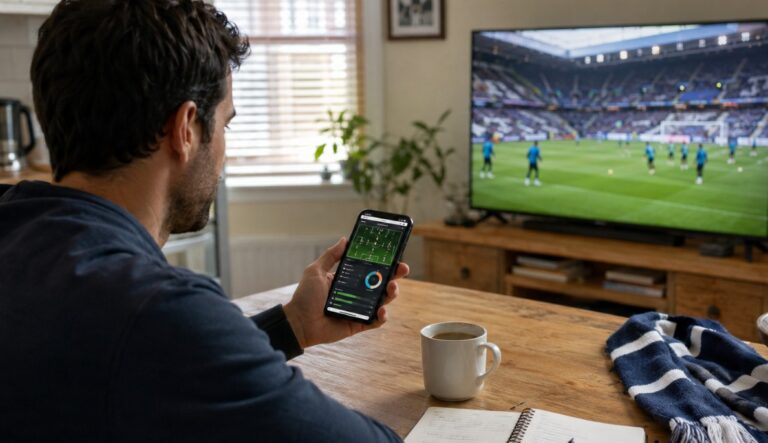
That version of matchday has almost disappeared. Football is still the reason people tune in, but watching a match now involves far more than staring at the television for ninety minutes. Fans check the team news, send messages about the manager’s choices, look up a player’s numbers and jump onto social media whenever something controversial happens. Sports betting has slipped into that same matchday routine for some supporters, giving them one more way to follow the changes taking place on the pitch.
The change did not arrive through one major invention. It happened gradually as faster internet, better platforms and more detailed sports data turned a single broadcast into a much broader digital experience.
The build-up now begins hours before kick-off
For many supporters, matchday begins almost as soon as they wake up. They check the predicted line-ups over breakfast, look for any late injury news and rewatch clips from the last meeting between the teams. By the time the players reach the stadium, podcasts are already picking apart the tactics, television crews are interviewing fans outside the ground and social media is full of early pictures from the pitch.
Confirmed team news usually creates the first major rush. One unexpected selection can change the entire conversation. A striker starting on the bench may lead supporters to expect a cautious opening, while an attacking formation can make a football match feel more open before the first whistle.
At that point, sports betting becomes part of the same information flow, while fans may compare the latest odds after looking at the line-ups, just as they might check a prediction show or a statistical preview. While browsing fixtures and pre-match information, users can find sports betting South Africa markets through betway alongside the soccer competitions and match details they already follow. The connection feels natural because the platform is drawing from the same team news and sporting context shaping the wider build-up.
The important point is that this activity no longer happens in isolation. Someone placing a sports bet may still be watching a television preview, replying to friends and reading comments from a journalist at the stadium. It all belongs to the same matchday period.
Live statistics gave supporters more to discuss
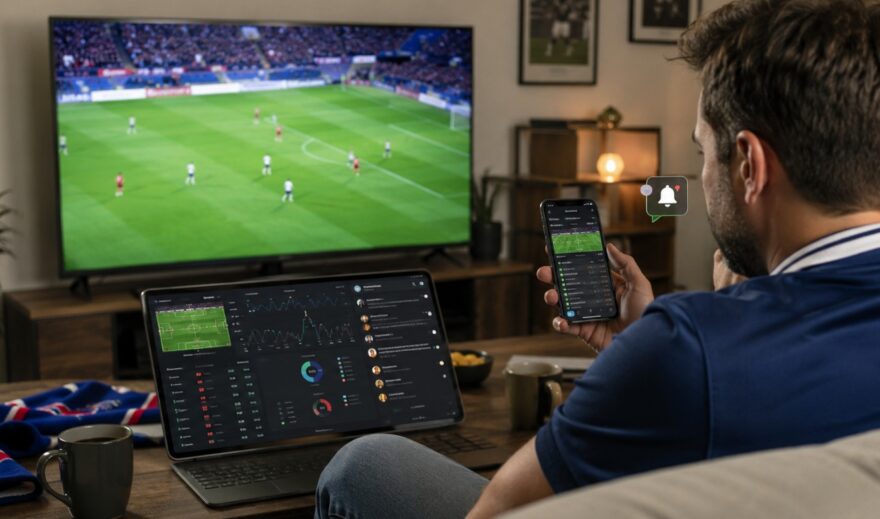
Football has always produced arguments. What changed is the amount of information now available to support them. Another team may dominate possession without seriously troubling the goalkeeper.
Live odds respond to many of the same developments. When pressure begins to build, the prices may move even before the score changes. That creates another layer of interest for supporters already following the statistics, although it also means the platform must keep its information close to the actual state of play.
A delayed score or outdated market is immediately noticeable during a live soccer match. Fans can see what is happening and often receive alerts from several services at once. Sports betting technology therefore has to process data quickly while remaining accurate enough to deal with reversed goals, corrected cards and other incidents that are not always clear at first.
This constant conversation has made matchday feel more communal, even when people are watching alone. A supporter at home can react alongside friends, journalists and fans in other countries. The game becomes a shared online event as well as a sporting contest. Online and mobile sports betting platforms operate within that same fast-moving environment.
While a penalty decision may suspend certain markets while social media is already debating whether the contact was enough. The platform cannot simply follow the loudest reaction online. It needs reliable match data and confirmation before updating the odds or reopening selections.
The final minutes bring everything together

The last ten minutes of a close match show how many parts of modern matchday now operate at once. The television commentary becomes louder, group chats fill with nervous messages and social feeds react to every stoppage.
On the pitch, substitutions, cards and added time can change the game quickly. As the clock runs down, the numbers on betting platforms begin to shift with almost every meaningful attack. A draw that felt remote at half-time can suddenly look quite possible if the trailing side is pushing forward and the team in front has dropped deep. Then a late goal arrives and several markets can change or disappear in the same moment, leaving the platform to catch up with a match that has just turned on one touch.
The technology has to stay stable during the most demanding part of the evening. Yet, the strongest platforms do not make this technical effort visible, as the numbers update, the score remains accurate and the interface stays easy to follow. The machinery sits behind the experience rather than taking it over.
Football remains the reason people are there
Sports betting may now be part of matchday entertainment, but football is still what brings everything together. The statistics matter because they describe the game. Social media is active because supporters care about the result. The odds move because events on the pitch keep changing what is possible.
That is why the wider entertainment mix works best when each part supports the match rather than distracting from it. Sports betting found its place in that mix because it grew around the same live information and instant reactions that now shape the way people watch a match.
The match remains ninety minutes, at least before added time. Everything around it now begins much earlier, continues through every break and often carries on long after the final whistle.