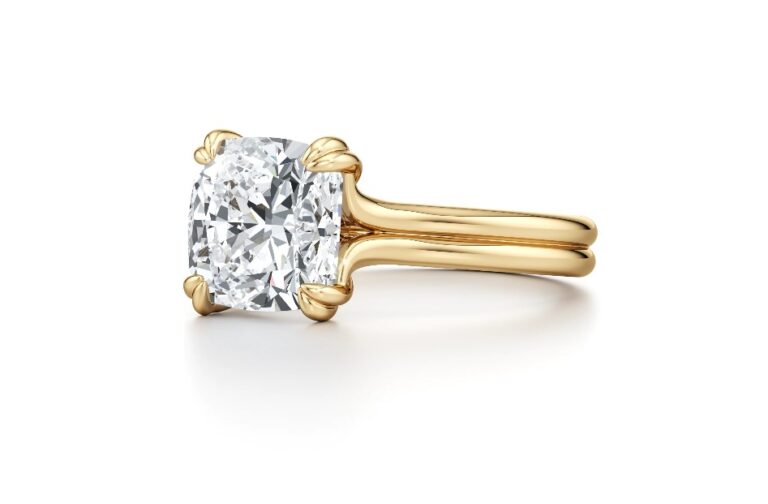
The conversation around lab-grown diamond engagement rings has evolved well beyond category labels. What now defines the strongest designs is not simply the diamond itself, but the craftsmanship surrounding it. Proportion, setting precision, and structural balance have become central to how modern rings are evaluated.
As expectations around fine jewelry continue to shift, craftsmanship plays a larger role in shaping how a ring feels on the hand and how it holds its form over time. This is especially visible in today’s engagement rings, where clean silhouettes leave little room for imbalance.
Craftsmanship Shapes the Entire Ring
A well-crafted ring isn’t built around a single feature. Every component influences the next. The height of the setting affects how the ring sits. The width of the band changes how the center diamond is perceived. Even the spacing between prongs can shift the visual weight of the design.
This level of detail becomes more visible in a solitaire engagement ring, where the structure is fully exposed. Without additional elements to redirect attention, the craftsmanship becomes part of the identity of the ring itself.
Structure Creates Presence
One of the defining aspects of designer craftsmanship is how the ring maintains its shape from every angle. A strong design should feel complete whether viewed from the top, side, or profile.
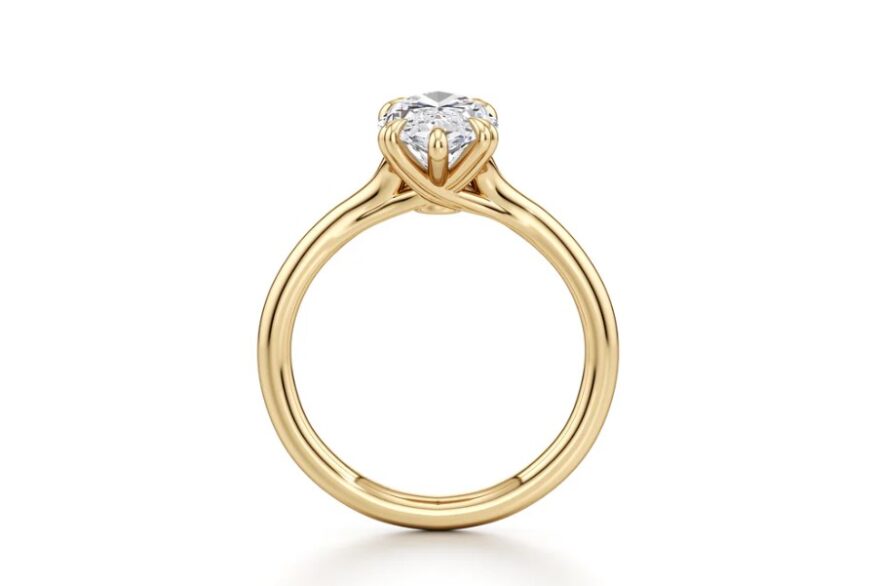
The Elle Solitaire Engagement Ring reflects this approach clearly. Its double-prong setting is engineered to provide unobstructed views of the center diamond while maintaining a strong architectural frame. The option to craft it with dual bands introduces another layer of dimension without disrupting the silhouette.
This balance between openness and structure is what gives the ring its presence. Nothing feels added for effect. Each element supports the overall form.
Small Adjustments Create Different Expressions
Designer craftsmanship is also visible in how a single silhouette can evolve through subtle variation. A change in surface finish, band profile, or pavé placement can alter the character of a ring without changing its core structure.
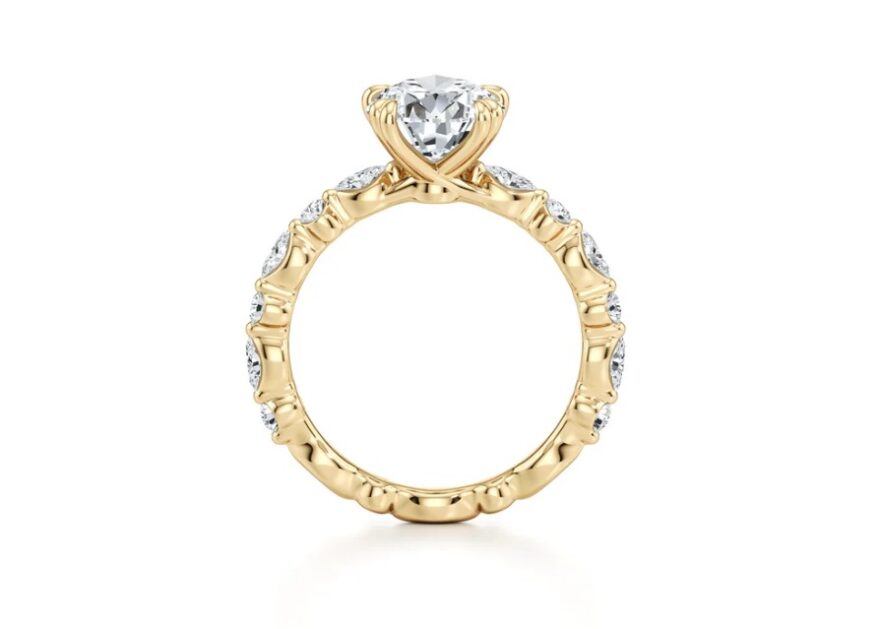
The Audrey High Polish Solitaire Engagement Ring offers one interpretation, where the uninterrupted band places emphasis on smooth metalwork and proportion. The Audrey One Row Pavé Engagement Ring introduces a single row of pavé that adds texture and dimension while preserving the same overall silhouette.
These adjustments may appear subtle, but they significantly influence how the ring is experienced when worn.
Craftsmanship Extends Beyond Appearance
The impact of craftsmanship is not only visual. It also changes how the ring functions in everyday wear.
A properly balanced lab-grown engagement ring sits naturally on the hand. The setting feels stable. The band maintains its alignment. The ring does not feel top-heavy or require constant adjustment throughout the day. Jean Dousset applies this level of control across its designs, ensuring that the ring maintains consistency in both appearance and wearability.
This is where structure becomes important. A ring designed with accurate proportions tends to integrate more naturally into daily wear, especially within modern engagement rings that are expected to move between different settings and lifestyles.
Precision in Every Detail
Craftsmanship also affects how the smallest details come together. The connection between the band and setting should feel seamless. Pavé placement must remain evenly spaced. Prongs should frame the diamond without overpowering it.
These details often go unnoticed individually, but together they determine whether the ring feels cohesive. In well-crafted lab-grown diamond engagement rings, nothing appears disconnected or excessive. The design flows naturally because each part has been resolved with precision.
This is especially important in solitaire settings, where the simplicity of the silhouette makes every decision more visible.
A Different Approach to Modern Engagement Rings
The growing appeal of lab-grown diamond engagement rings is closely tied to this shift toward craftsmanship-driven design. The emphasis is no longer on adding more detail, but on improving how the ring is built.
Where Craftsmanship Makes the Difference
The value of designer craftsmanship lies in how naturally the ring comes together. The proportions feel aligned. The setting supports the diamond without overpowering it. The ring sits comfortably and maintains its form over time.
That is what separates strong design from decoration alone.
As engagement rings continue to evolve, craftsmanship remains the element that gives a ring a lasting presence. And within modern lab-grown diamond engagement rings, that craftsmanship shapes not only how the ring looks, but how it is experienced every day.