

Did you know that disputes about cleaning are among the most common reasons deposits are withheld at the end of a tenancy?
Many landlords discover after tenants leave that certain details were overlooked, standards slipped, and cleaning expectations were interpreted differently.
A structured checklist does not only protect property value. It also prevents arguments, ensures smoother handovers, and keeps the next tenancy on track without unnecessary delays.
This guide walks through everything landlords should look for, how to assess cleanliness fairly, and what to include in a professional cleaning approach so the property remains in great rental condition every single time.
Why A Proper End Of Tenancy Cleaning Strategy Matters
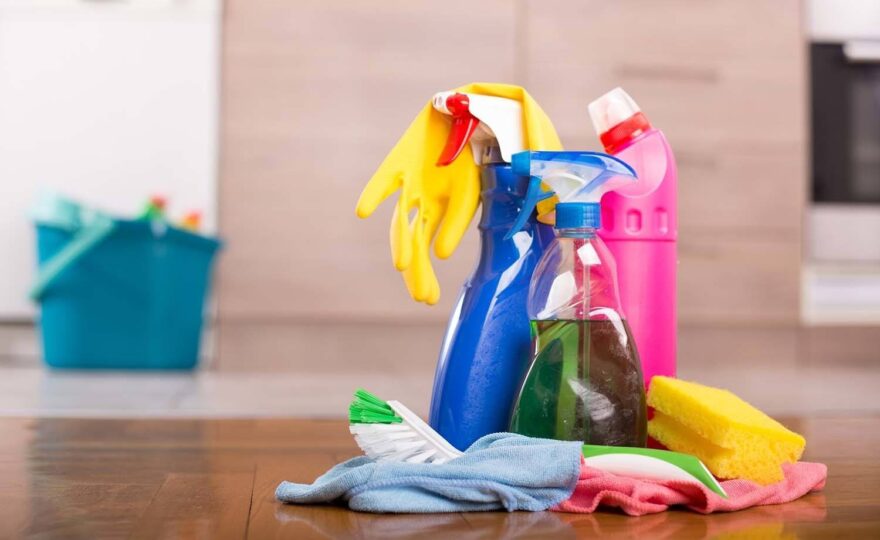
When rental turnovers are rushed, landlords often lose more money later fixing neglected details than they would have invested in proper cleaning.
A structured cleaning strategy keeps maintenance predictable and prevents unnecessary deterioration.
More importantly, it helps properties present better during viewings, supports higher rental value, and maintains professional reputation.
Treat cleaning not as a chore but as preventive care. Properties that are consistently well maintained last longer, retain stronger tenant interest, and experience fewer complaints.
Clear standards also reduce misunderstandings and make tenancy transitions far less stressful for everyone involved.
When Professional Help Makes Sense
A lot of landlords try to handle cleaning checklists alone until they face a heavily lived-in kitchen, stained carpets, or a bathroom that clearly needs expert attention. Sometimes it is simply smarter to outsource.
A trusted end of tenancy cleaning service like Hello Services helps ensure compliance with fair standards, detailed workmanship, and an understanding of what landlords expect during property handovers.
Professional teams typically work faster, cover missed areas, and deliver documentation that supports disputes if they arise.
That level of consistency is difficult to achieve when juggling tenancy deadlines, inspections, and rental logistics.
General Cleaning Checklist For Every Room
Even when each room has unique details, every space in a rental should meet a universal standard of cleanliness.
Dust, residue, and wear accumulate slowly, so focusing on fundamentals keeps the whole property presentable.
Key checks for landlords:
- Walls, doors, and skirting boards free of marks and residue
- Light switches and sockets cleaned and functional
- Windows, sills, and frames washed inside
- Floors vacuumed, mopped, and stain-checked
- Fixtures and fittings wiped and dust free
Taking photos before and after helps confirm standards were maintained and provides objective proof if disagreements appear later. Consistency is everything.
Kitchen Cleaning Checklist
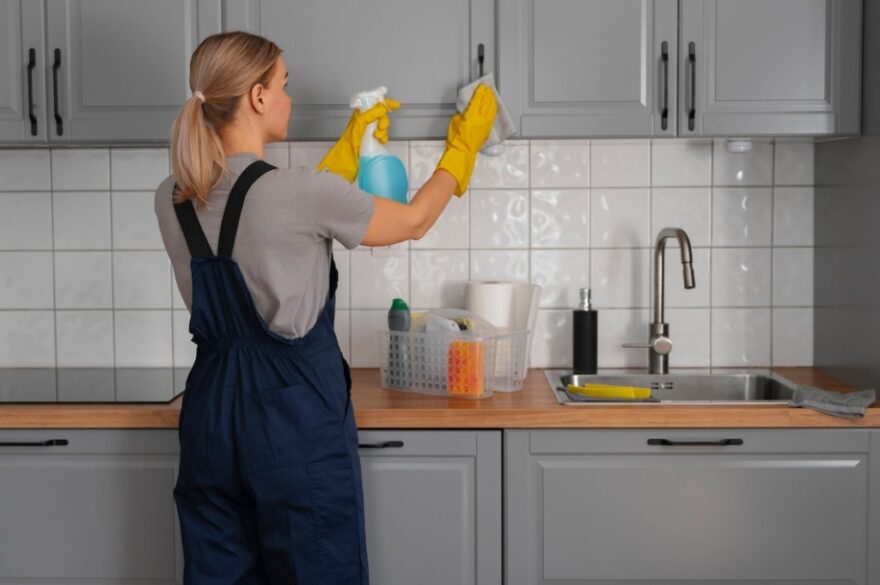
The kitchen usually carries the most wear, which means it deserves some slow, careful attention.
Food residue, grease, and hidden grime can shorten appliance lifespan and create hygiene problems.
Tenants often miss deeper areas, so inspections should not be superficial.
| Kitchen Area | What Should Be Done |
| Oven & Hob | Degreased, interior cleaned, trays washed |
| Fridge & Freezer | Defrosted, sanitized, free of odors |
| Cupboards & Surfaces | Wiped inside and out |
| Sink & Taps | Limescale removed, polished |
| Floors & Tiles | Sanitized and stain-free |
A clean kitchen signals respect for the property and reassures incoming tenants that they are moving into a properly maintained home.
Bathroom Cleaning Checklist
Bathrooms require the kind of cleaning that focuses on hygiene and not just appearances.
Mold, limescale, and soap scum are normal signs of daily use, but they must never be left behind for the next tenant to deal with.
Bathroom essentials landlords should confirm
- Toilets fully cleaned and disinfected
- Showers and bathtubs free of mold and scale buildup
- Mirrors polished and smear free
- Tiles and grout cleaned thoroughly
- Extractor fans dust free and functioning
A well maintained bathroom does not just look clean. It protects against moisture damage, long term deterioration, and potential health concerns.
Ensuring high cleanliness standards saves future repair costs significantly.
Flooring, Carpets, And Upholstery Care
Floors speak loudest during property inspections because they visibly reveal how the home was treated.
Hard flooring should appear smooth and residue free, while carpets require deeper reassurance that dirt is not simply brushed to the surface.
In many cases professional carpet cleaning is a smart investment, particularly when there are pets, allergens, or light staining.
Rugs and upholstery must also be fresh, odor-free, and visually maintained.
Flooring preserved well today means avoiding expensive replacements later. Many landlords now include carpet standards in tenancy agreements, which reduces confusion when tenants move out.
Windows, Fixtures, And Hidden Details

This is where landlords often notice differences between quick cleaning and thorough end of tenancy preparation.
Hidden elements, upper surfaces, and fine details influence both inspections and property presentation.
Dust build up, fingerprints, and neglected corners easily signal neglect.
Often forgotten but very important
- Window tracks and blinds
- Curtain rails and fittings
- Light fixtures and shades
- Radiators and behind radiators
- Wardrobes, drawers, and shelving units
Attention to detail shows professionalism and builds trust with incoming tenants right from the start.
Handling Outdoor Areas, Balconies, And Entry Points
If the property includes outdoor elements, they deserve equal responsibility.
First impressions begin before anyone steps inside. Entryways should feel welcoming, hygienic, and safe. Balconies or patios need sweeping, de-weeding, and general refreshment.
Garden waste, leftover items, or dirt buildup affects how the property feels and can raise concerns during inspections. Outdoor care also extends to bins.
They should be emptied, cleaned, and neatly positioned. When outdoor spaces are tidy, the entire rental feels respected and easier to market.
Where Deposit Disputes Often Start
Many tenancy disputes are not truly about major damage. They start with cleaning disagreements, assumptions, or unclear expectations. That is why documentation matters.
Good landlord practices include
- A detailed move-in inventory
- Photos for comparison
- Clear cleaning standards explained at signing
Small clarity avoids large conflict. Consistency protects both tenant and landlord.
How To Make This Checklist Work Every Time
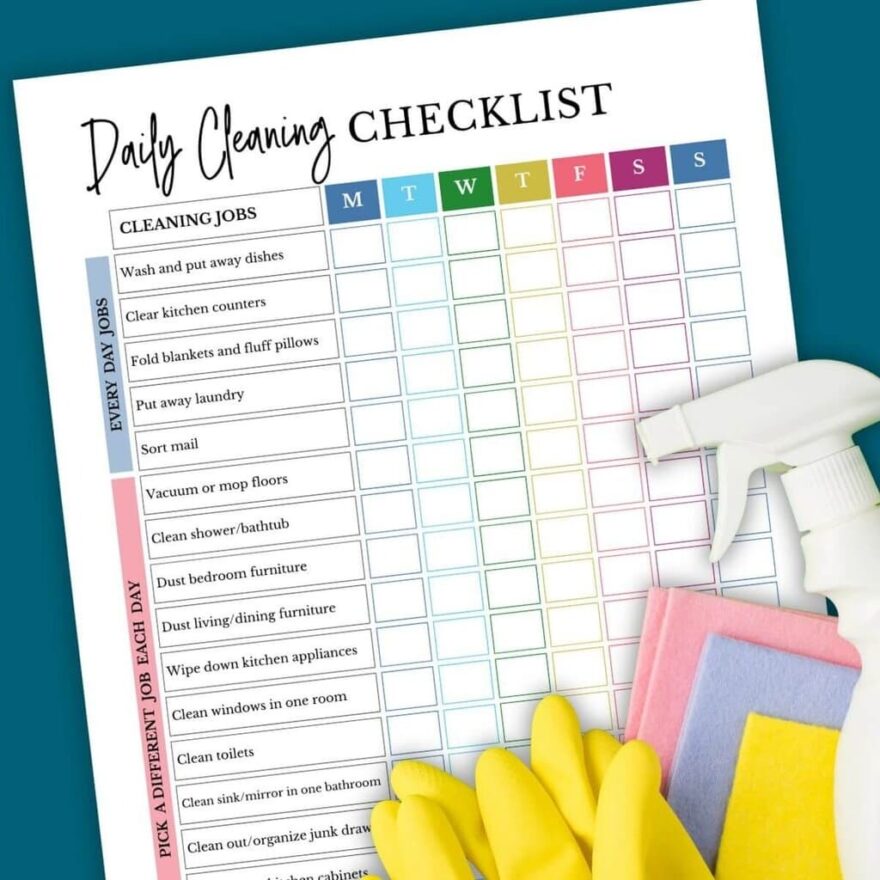
A checklist is useful only when it becomes part of a repeatable process. Landlords who build a smooth turnover system reduce stress and keep vacancies short.
Consider maintaining a digital list, trusted professional contacts, and a realistic cleaning timeframe between tenants.
Good preparation also supports marketing photography, viewing impressions, and long term property value. With every successful turnover, the routine becomes easier and more efficient.
Final Thoughts
End of tenancy cleaning is not just about tidiness. It is about fairness, property care, tenant relationships, and long term asset value.
A structured checklist helps landlords stay consistent while ensuring every turnover feels professional, predictable, and stress free.
Whether handled personally or supported by professional services, the goal is always the same: protect the property, respect the next tenant, and maintain standards that keep the rental performing well.